
Frequently asked questions
Where is a weighing transmitter installed?
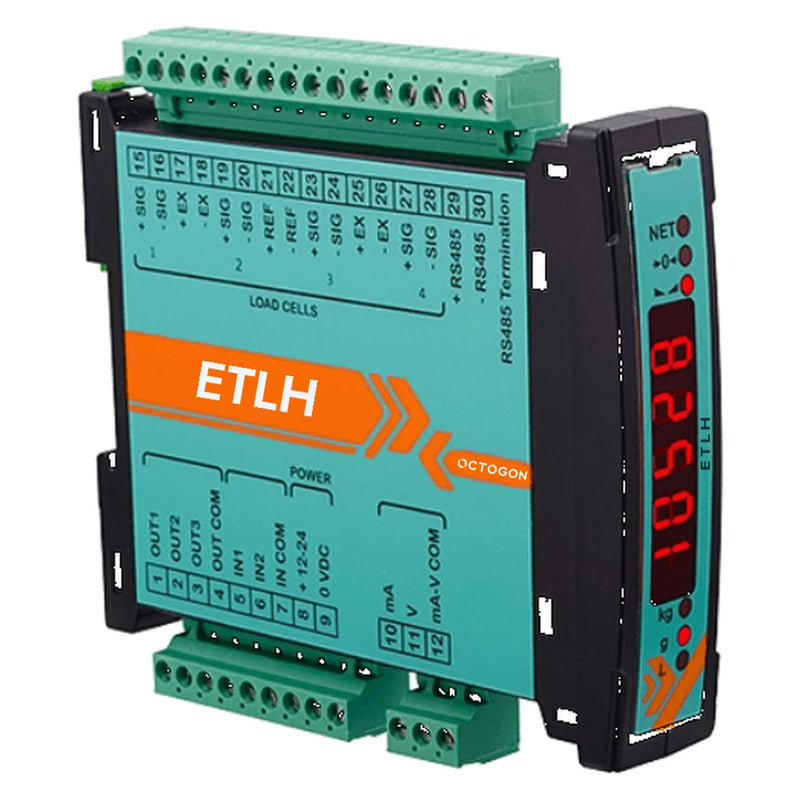
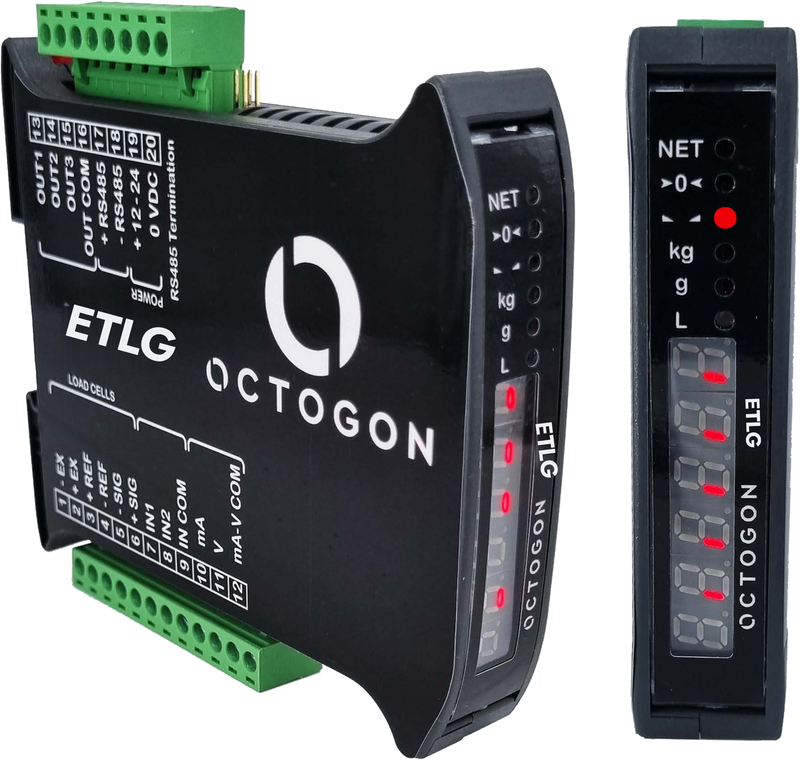
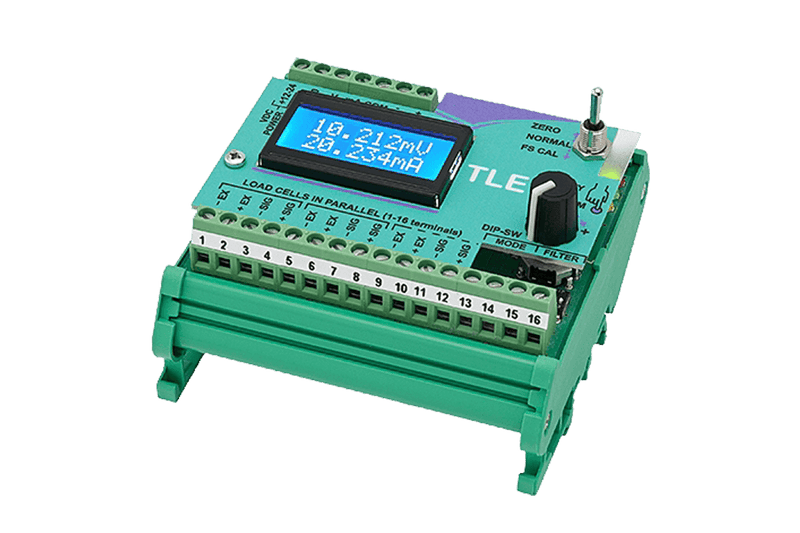
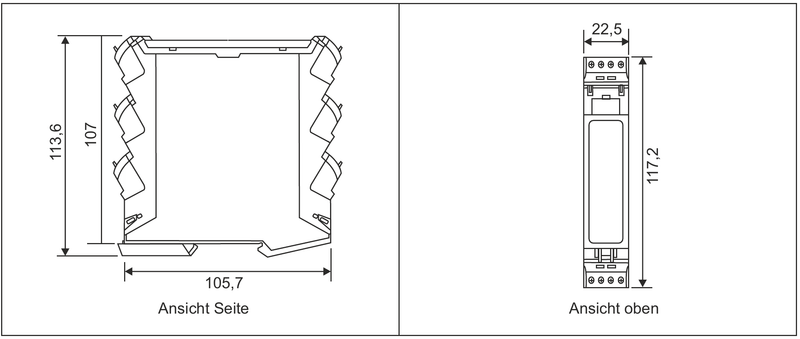
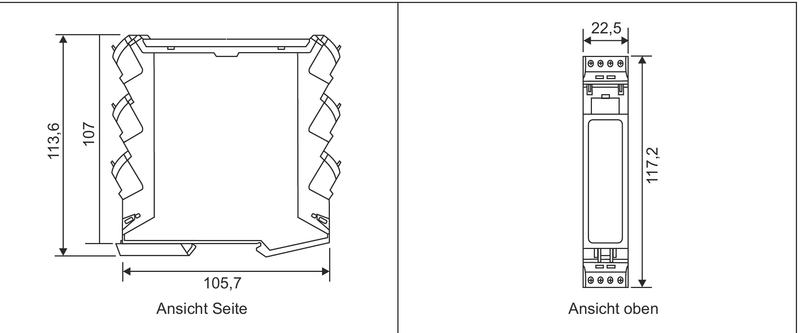
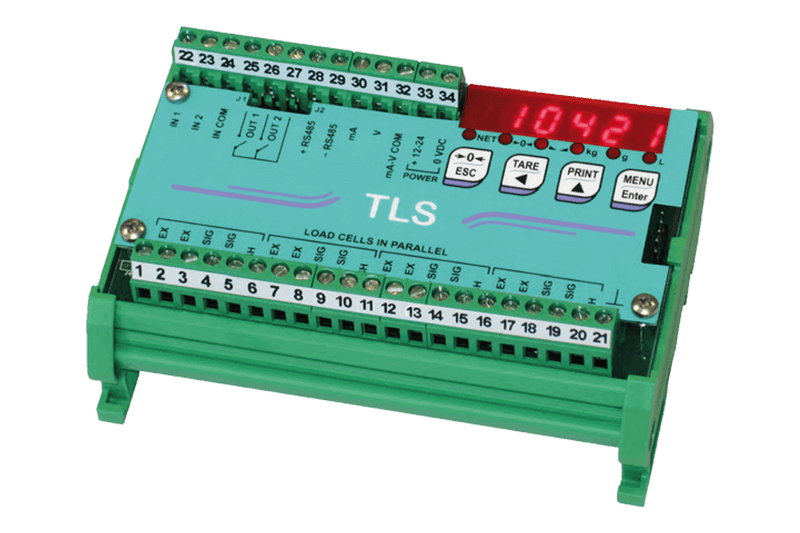
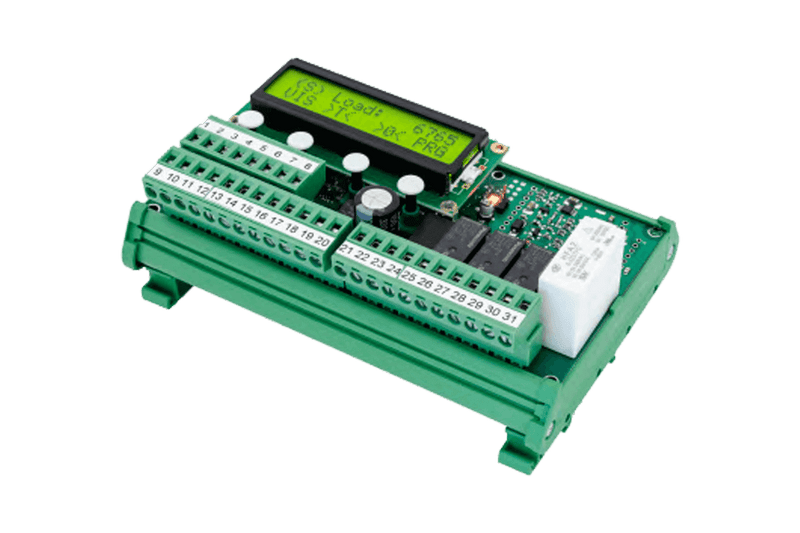
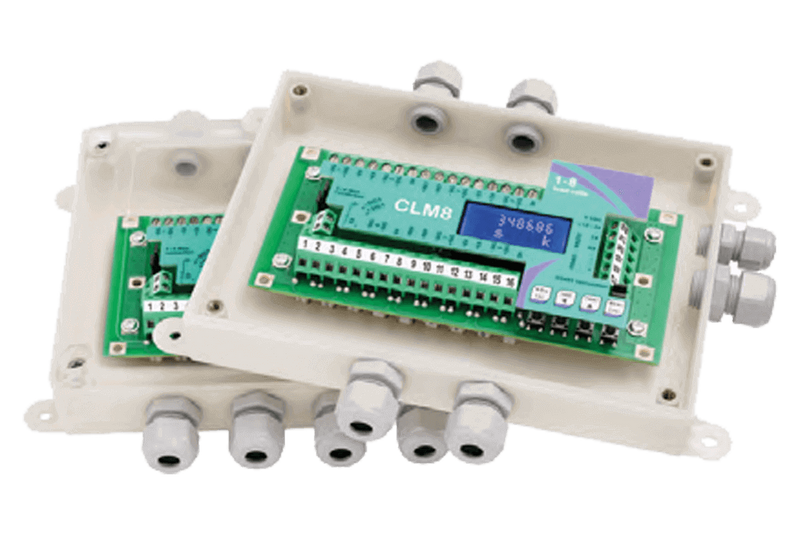
On a DIN rail in the control cabinet, or close to the field in an enclosure with a suitable protection rating. The decisive factor is the cable length to the load cell: the mV signal is susceptible to interference, so the transmitter sits as close to the cell as possible and the amplified or digital link covers the long distance. With a 6-wire connection the sense leads compensate the voltage drop in the cable.
How many measurements per second do I need?
For a tank or silo scale a few measurements per second are enough, because the load changes slowly. Checkweighing in a cycle, dosing with fast cut-off or recording force curves on a press need high sampling rates – there the conversion rate of the transmitter is the limit, not the load cell. The rate is given in the data sheet as measurements per second.
Can a weighing transmitter switch limit values?
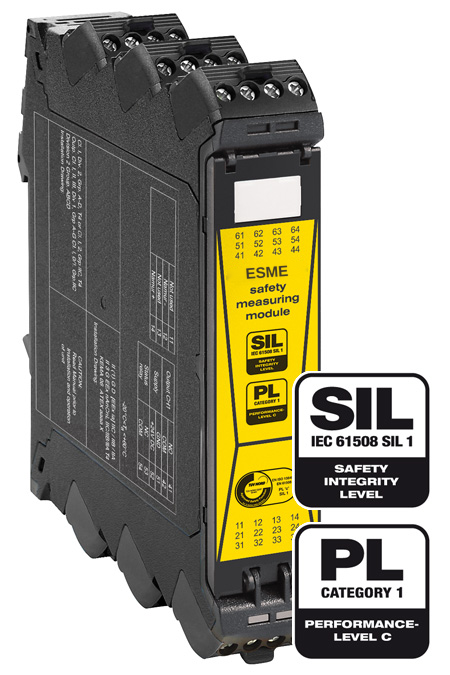
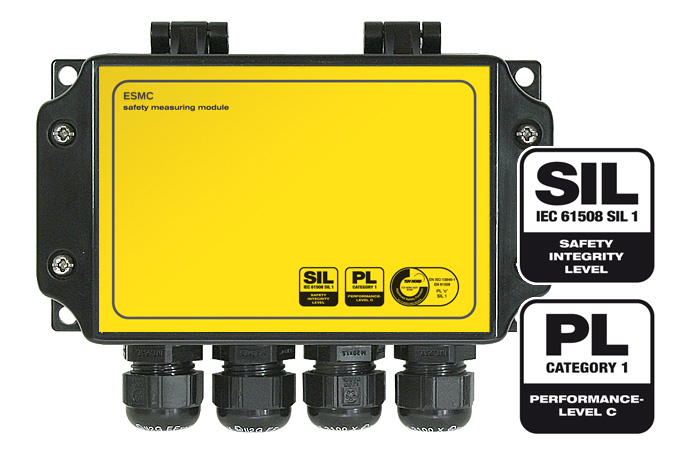
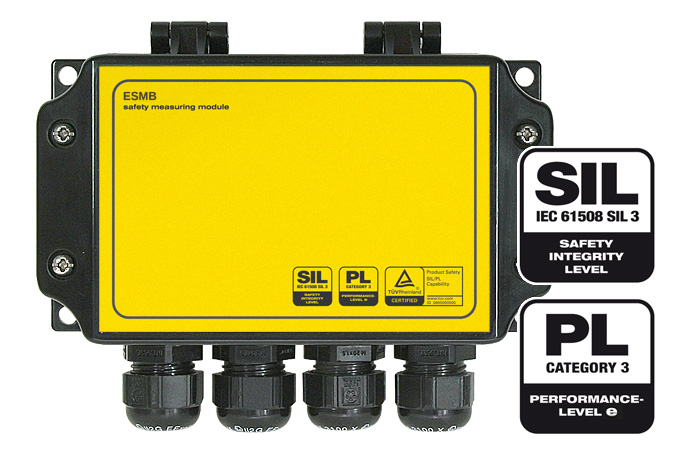
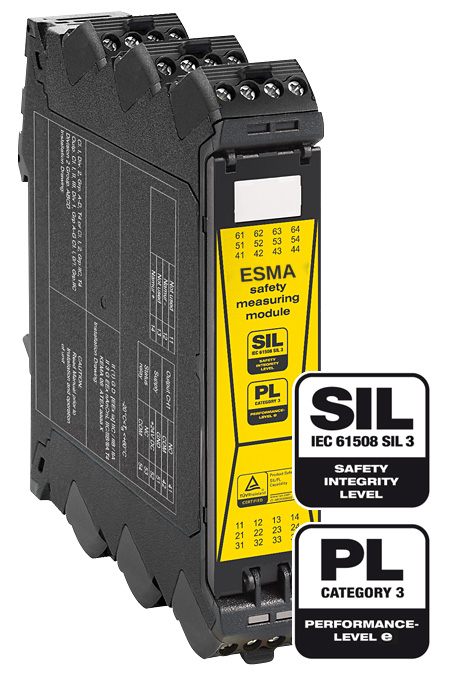
Many transmitters have switching outputs with which a limit value drives a contactor, a valve or an indicator lamp directly, without the control system having to intervene. In dosing plants this is the changeover point from coarse to fine feed, on cranes the overload cut-off. Whether that function may be part of a safety function to SIL or PL depends on whether the device has been assessed for it.