




Frequently asked questions
How does a scale count pieces?
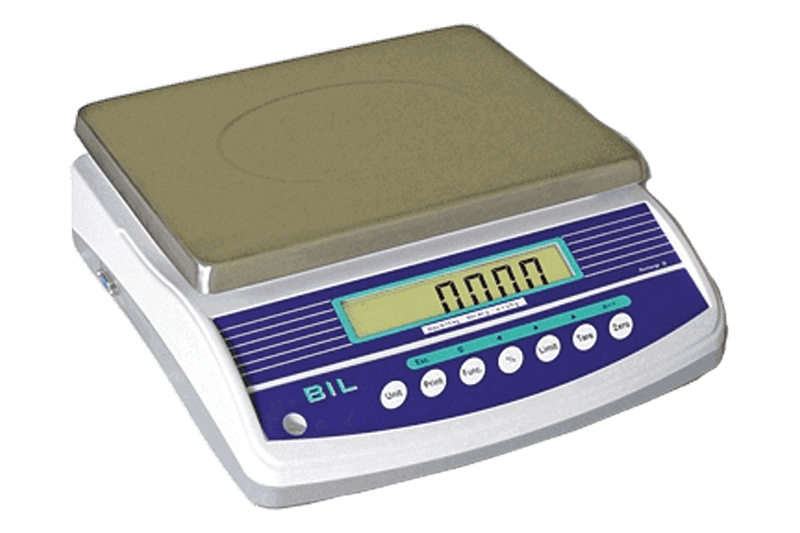
A counting scale first determines the weight of a single part: a known reference quantity – often ten or twenty pieces – is placed on the pan and divided. After that the scale converts every further load into pieces. How well this works depends less on the scale than on the spread of the parts: if the individual weight varies strongly, the result becomes unreliable.
What does trade approved (verifiable) mean?
Trade approved means that a scale meets the requirements for legally regulated transactions and can be verified once it is installed. This is necessary whenever goods are sold, invoiced or officially documented by weight. For plain process control inside your own production a non-approved scale is sufficient – what matters then is that it is calibrated regularly.
Complete scale or platform with a separate indicator?
A complete scale arrives matched and ready to use – platform, electronics and housing belong together. A weighing platform with a separate indicator pays off when the display has to sit further away, when several platforms feed one device, or when the measured value has to go into a control system. The platform determines capacity and load area, the indicator determines operation and interface.
How often does a scale have to be calibrated?
No standard prescribes a fixed interval. Annual calibration is common, and every six months for critical measuring points or harsh operation. What governs the decision are the requirements of your own quality management, the load on the scale and the experience from previous checks. octogon calibrates load cells, force transducers and scales and documents the result traceably.