





Frequently asked questions
What does IO-Link bring to a load cell?
IO-Link transmits the measured value digitally. That removes the analogue signal and the shielding it requires – an unshielded three-wire cable on an M12 connector is enough. On top of that come parameters and diagnostics over the same cable: zero point and characteristic curve can be set from the control system, and when a device is replaced the master writes the parameters into the new one automatically.
Do I need a master for IO-Link?
Yes. IO-Link is a point-to-point connection between the device and an IO-Link master, which passes the values on to the control system. In many plants a master is already there, because it sits as a terminal module in the PLC periphery or as a field module in the control cabinet. The master also holds the parameters of the connected devices, which is why replacing a device works without a laptop.
Is IO-Link more accurate than an analogue signal?
Accuracy is set by the sensor and its amplifier, not by the transmission. The advantage of IO-Link is that nothing is lost on the way to the control system: no voltage drop over the cable length, no interference pickup, no additional conversion in the analogue input. Over short runs with clean cabling the difference is small; over long cables in a plant with variable frequency drives it is considerable.
Can I convert an existing analogue load cell to IO-Link?
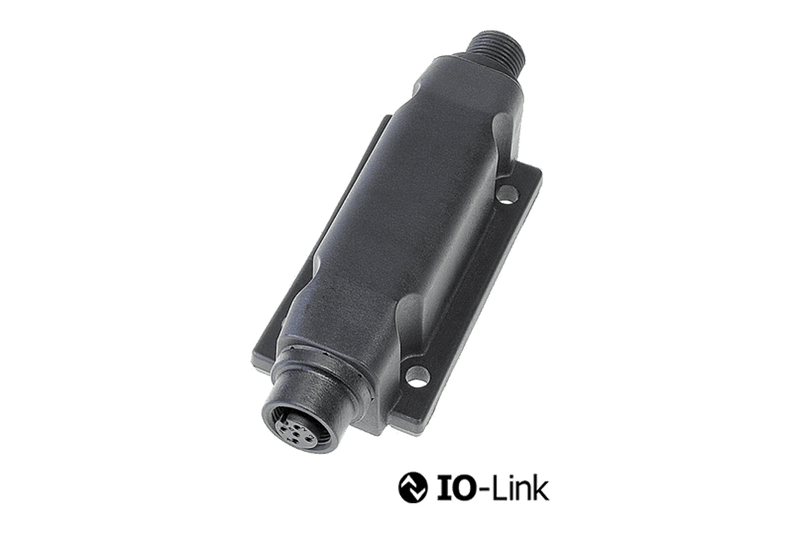
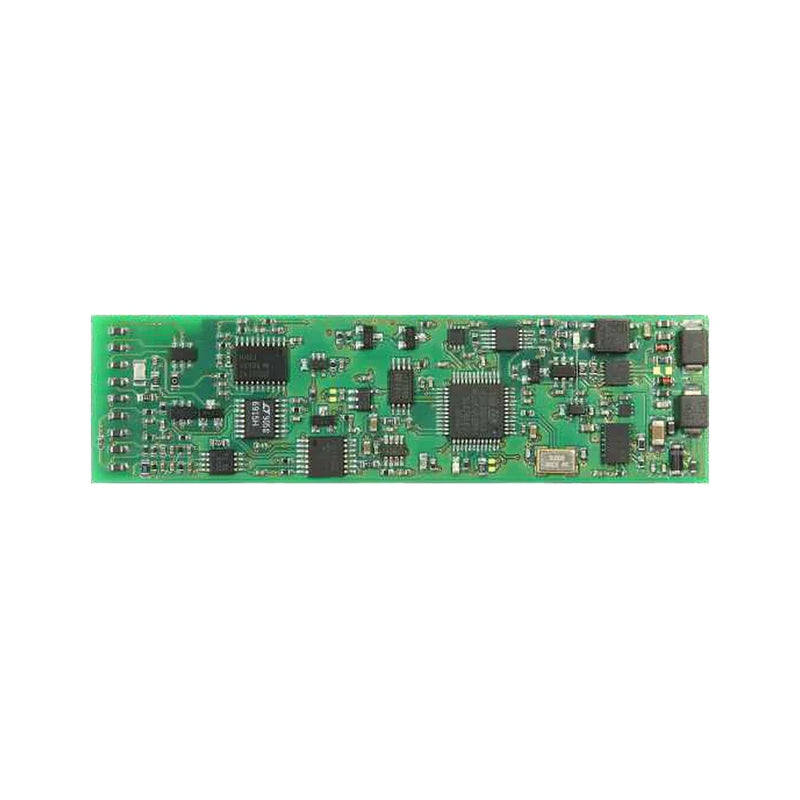
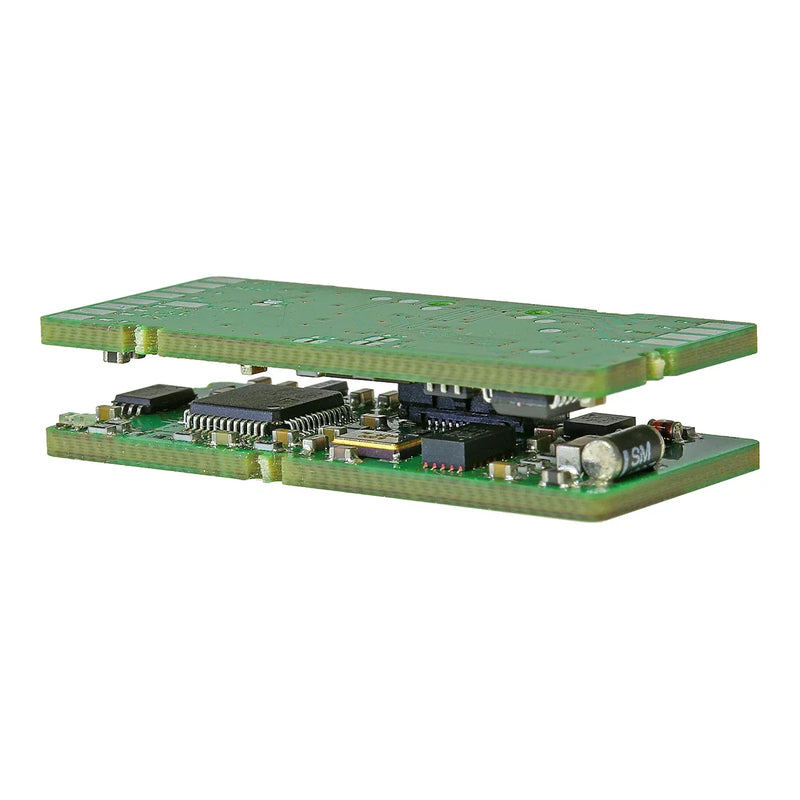
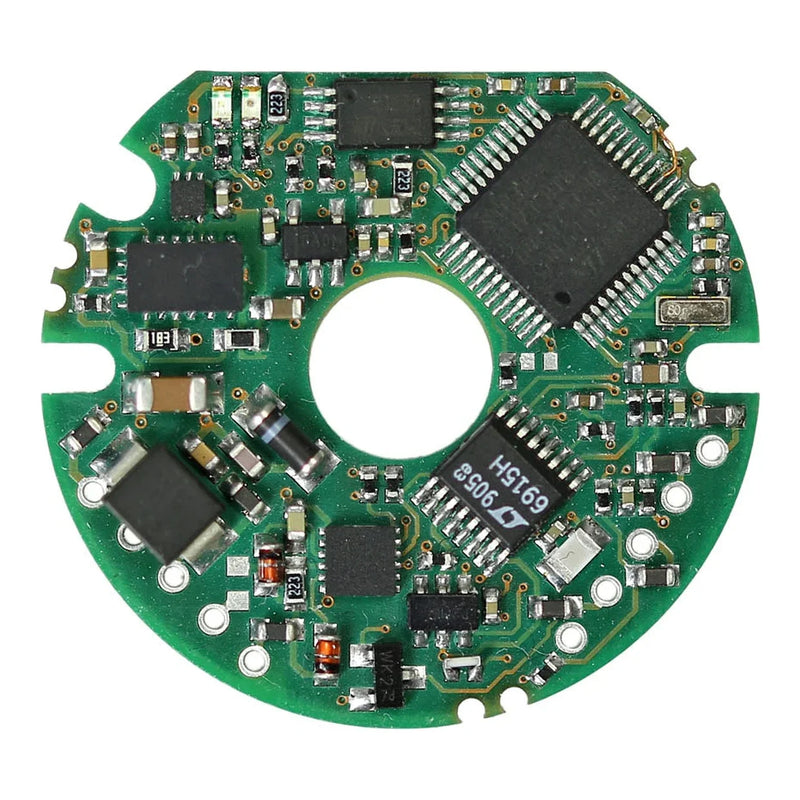
Yes, with an amplifier that has an IO-Link output. The existing strain gauge cell stays in place; the amplifier sits either as an inline module in the cable or as a board inside the device and delivers the measured value digitally. The effort is usually lower than replacing the cell, because the installation and the mechanics remain untouched.