
Frequently asked questions
When do I measure strain instead of force?
When there is no room for a force transducer in the load path, or the machine may not be opened for one. The strain of an existing component is then measured and converted into force via its cross-section and modulus of elasticity – the component becomes the sensor itself. The measurement does not get more accurate that way, but it is often the only route to a value at all.
Clamp-on or screw-on?
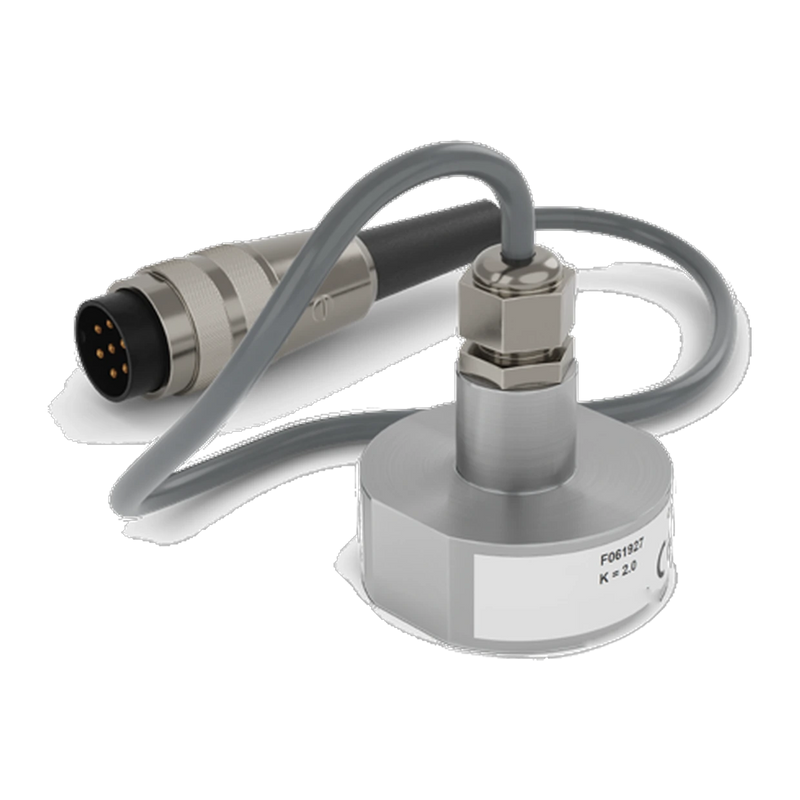
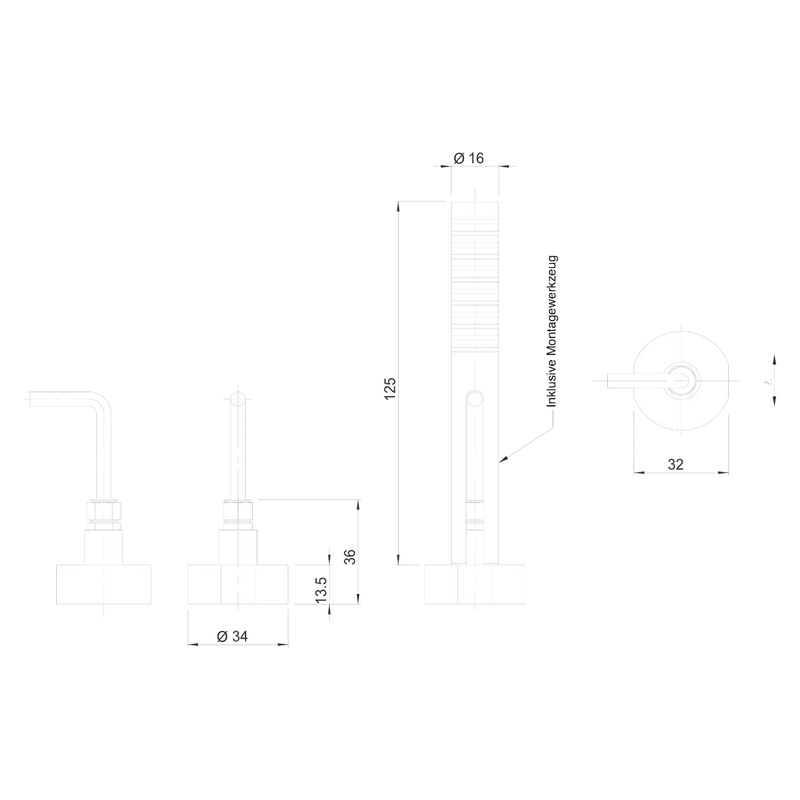
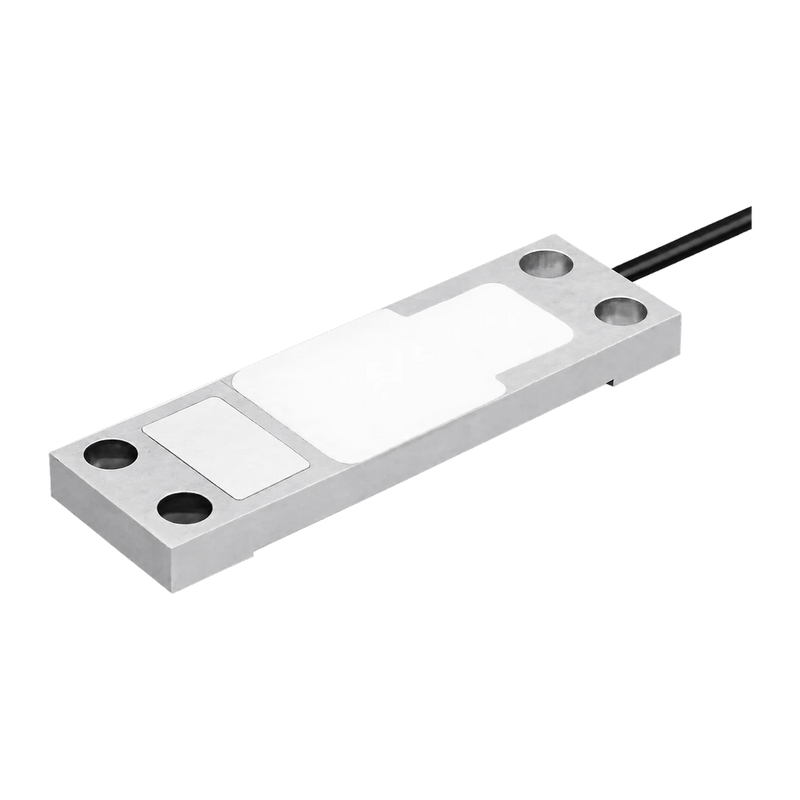
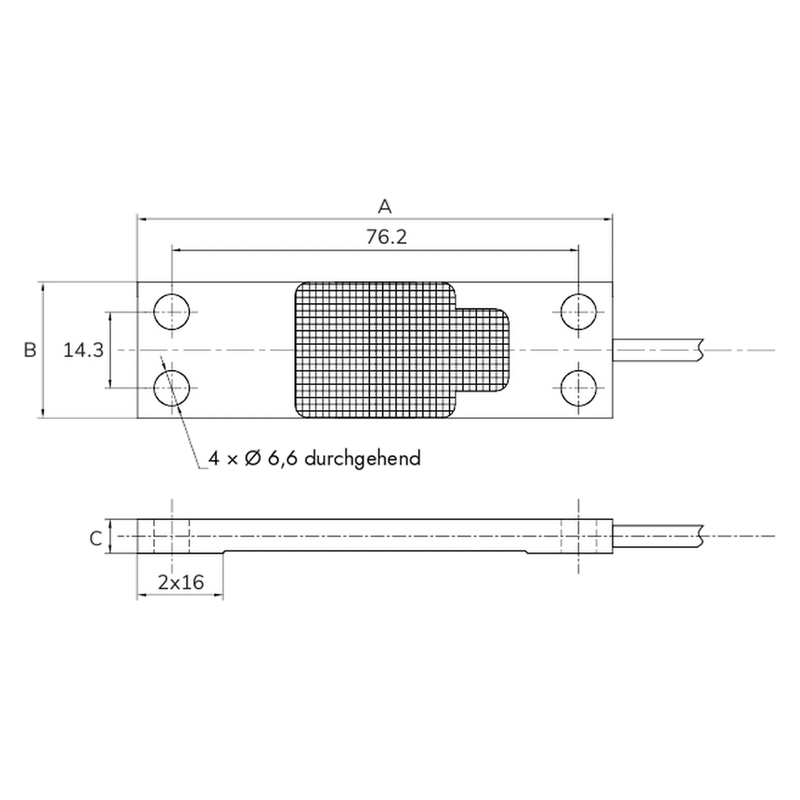
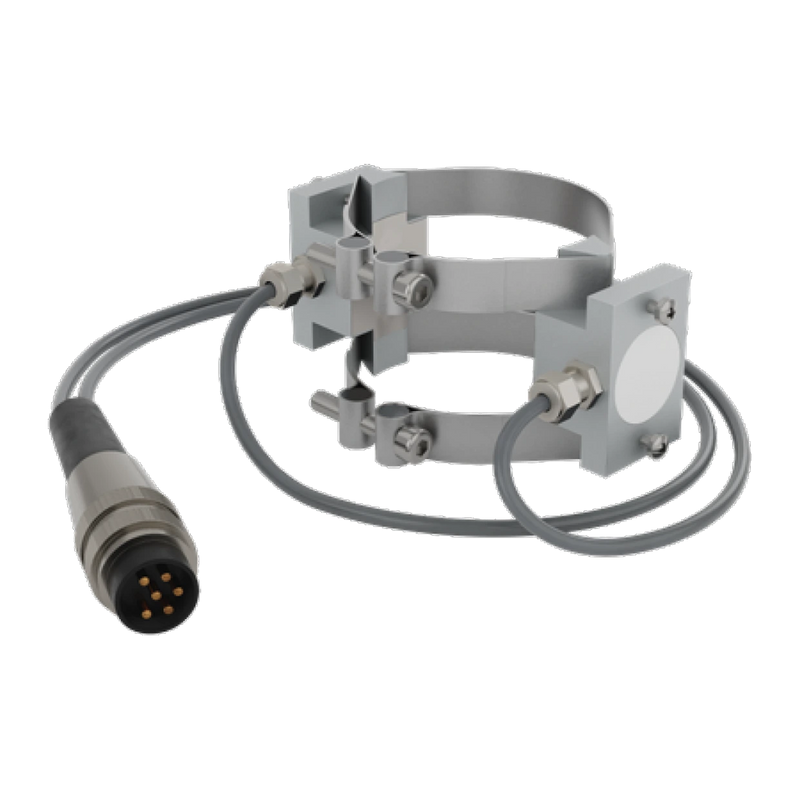
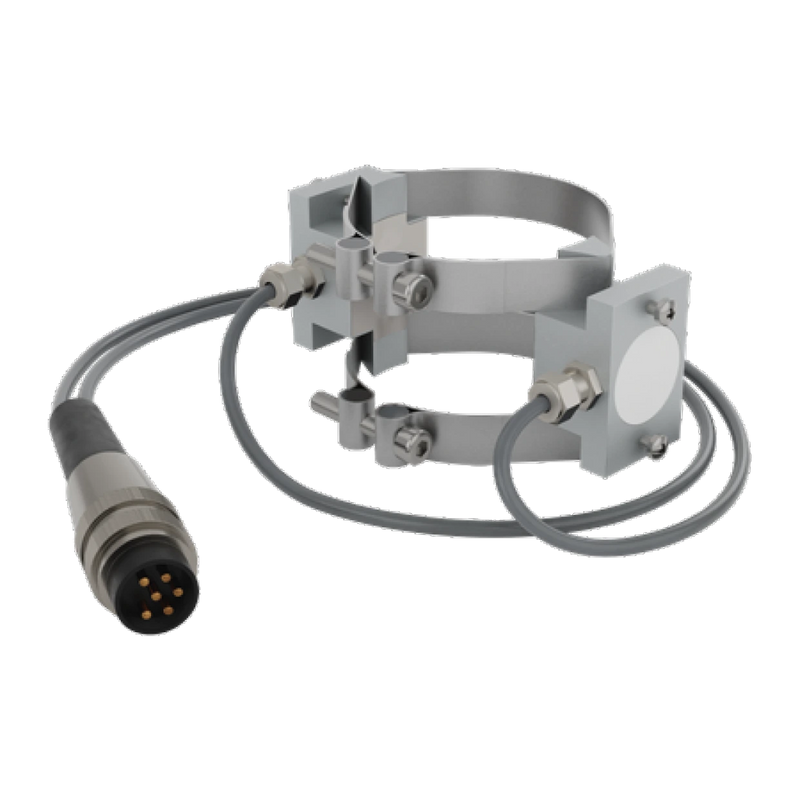
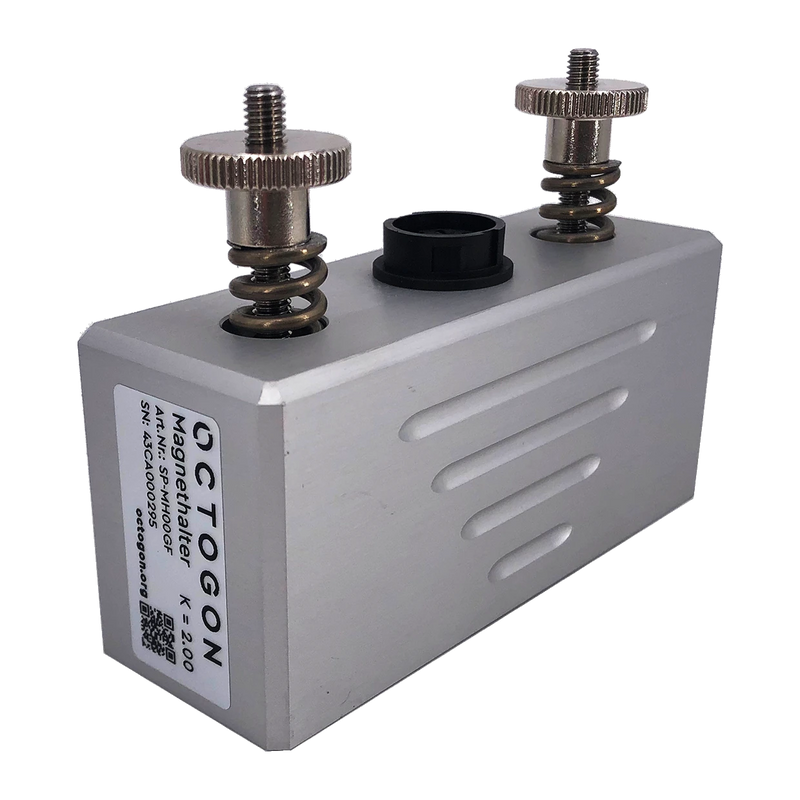
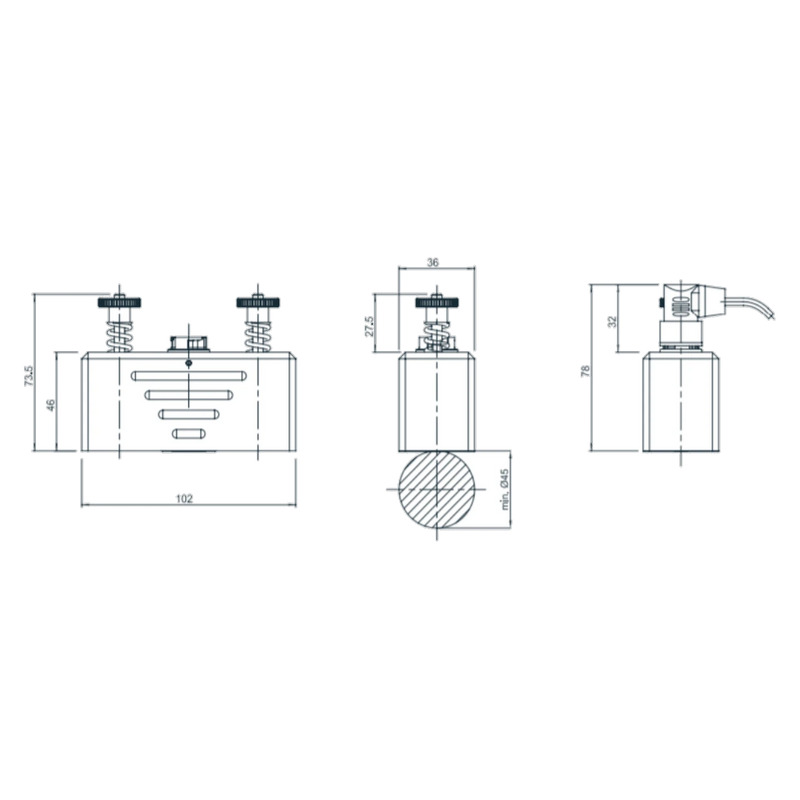
A clamp-on transducer is clamped onto the surface without machining and can be removed again – the right choice for measurement campaigns and fault finding. A screw-on transducer is bolted down and stays permanently; the force transfer is stiffer and the measurement better reproducible, but holes have to be drilled in the component.
What happens during a strain gauge application?
Strain gauges are bonded directly to the component, wired into a bridge, sealed against moisture and media, and then calibrated. This is manual work and requires a prepared, clean surface. octogon offers it as a service, on site at the plant as well, when the component cannot be removed.