


Frequently asked questions
Bending beam or shear beam – what is the difference?
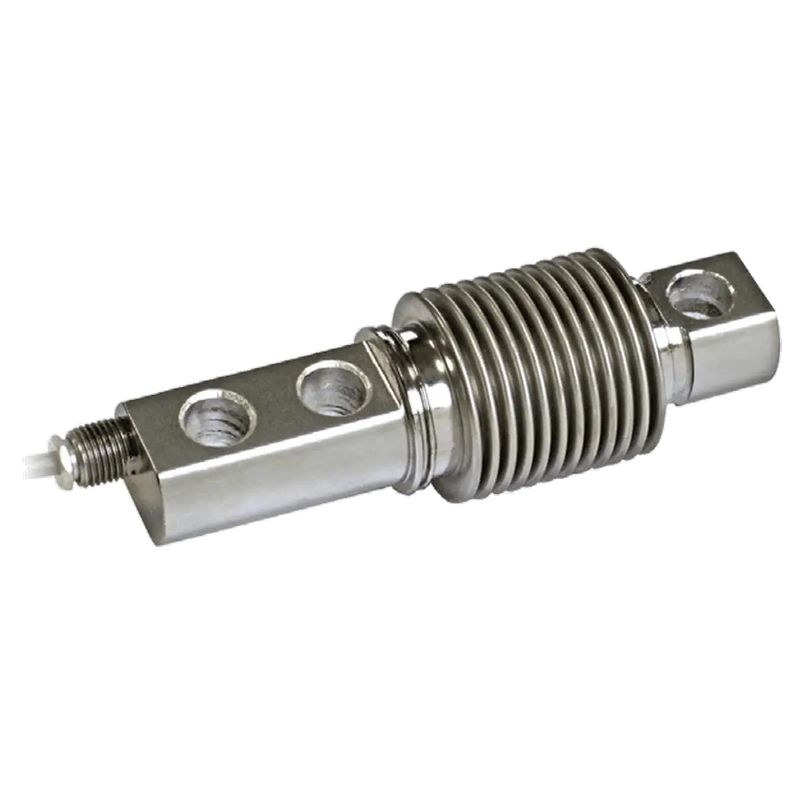
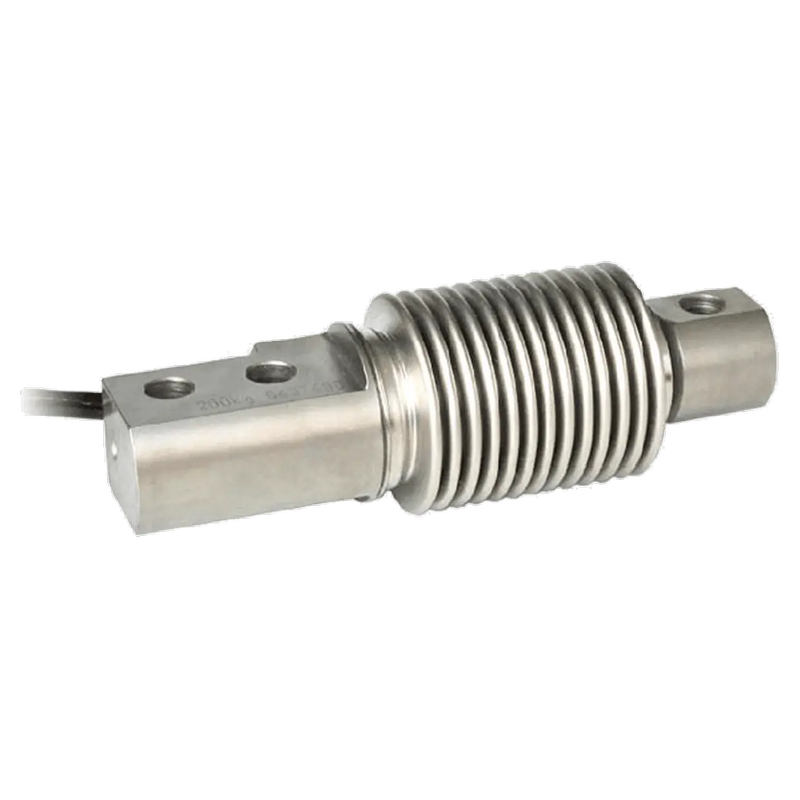
Both look similar but measure different deformations. In a bending beam the strain gauges sit where the beam deflects; the design is simple and inexpensive in the lower capacity range. In a shear beam the gauges sit in a milled pocket and measure the shear deformation in the cross-section. That makes it far less sensitive to exactly where the load rests on the beam – and therefore more robust in tank weighing and at higher capacities.
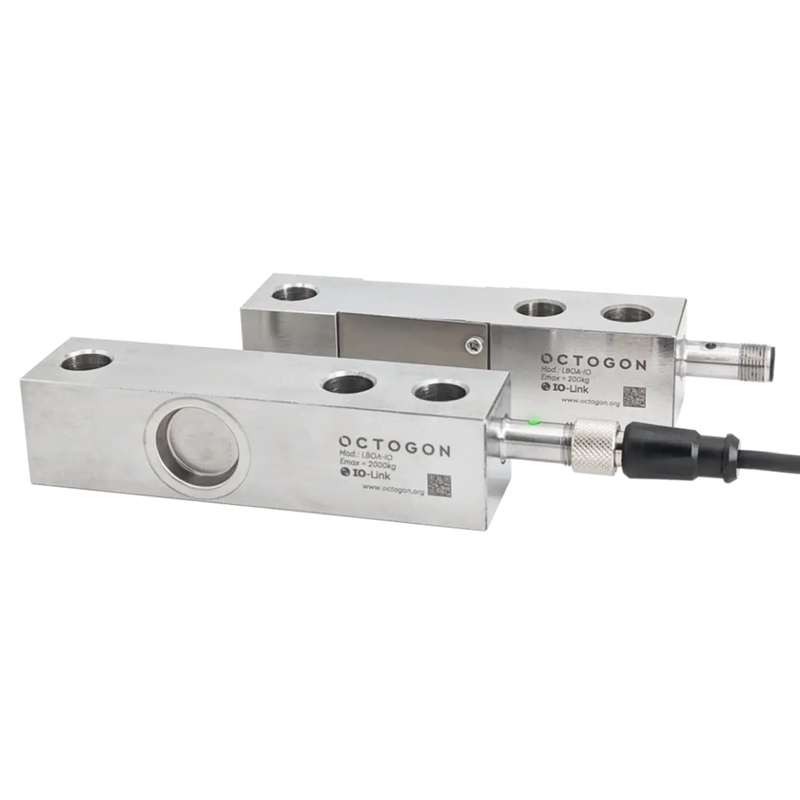
What is a double shear beam load cell used for?
A double shear beam takes the load in the middle and is supported at both ends. The force is therefore distributed over two measuring points, the cell carries more at the same size, and the load is introduced symmetrically. Typical applications are weighbridges and vehicle scales as well as heavy tank weighing, where individual support points are in the range of several tonnes.
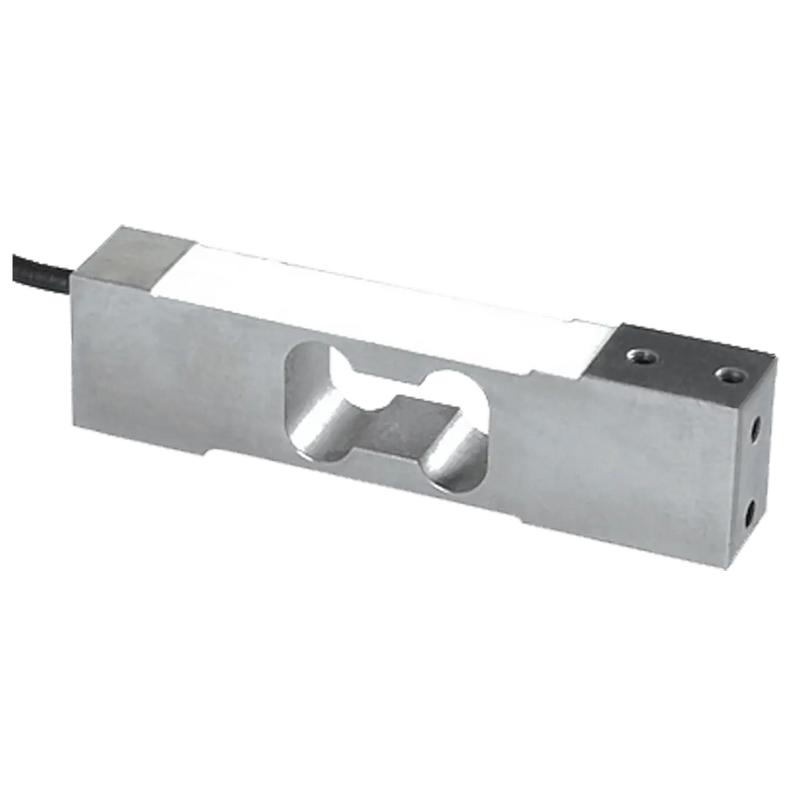
What is a platform or single point load cell?
A single point cell is designed to weigh an off-centre load correctly within a defined platform size – the corner load deviation has already been trimmed at the factory. One single cell is therefore enough for a bench or floor scale instead of four. The maximum platform size is given in the data sheet; if it is exceeded, the reading depends on where the load rests.
Does any electronics work with a bending beam or shear beam load cell?
As a rule yes, as long as the cell is a classic full strain gauge bridge. What matters is the bridge excitation (5 to 12 V is common), the rated output in mV/V and the connection in 4-wire or 6-wire configuration. Six-wire is preferable with long cables, because the sense leads compensate the voltage drop in the cable. Cells with an integrated digital output such as IO-Link, by contrast, no longer need a separate amplifier.