


Frequently asked questions
What is the difference between a weighing transmitter and a weighing indicator?
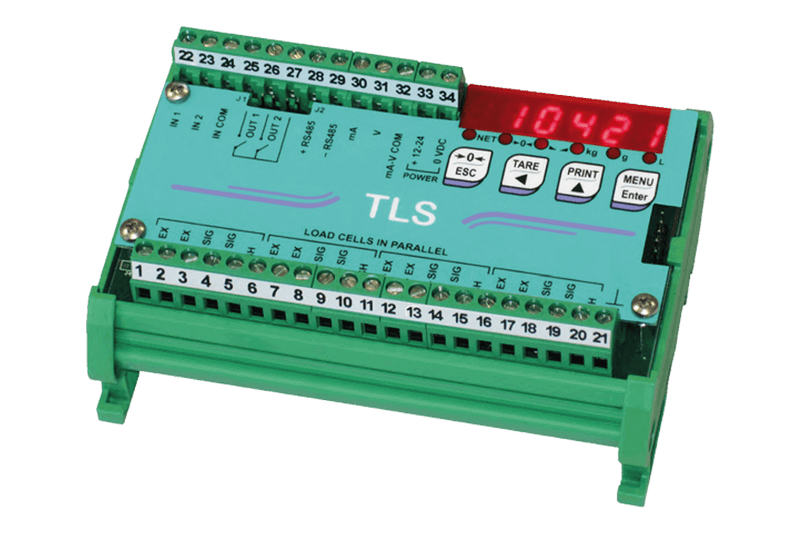
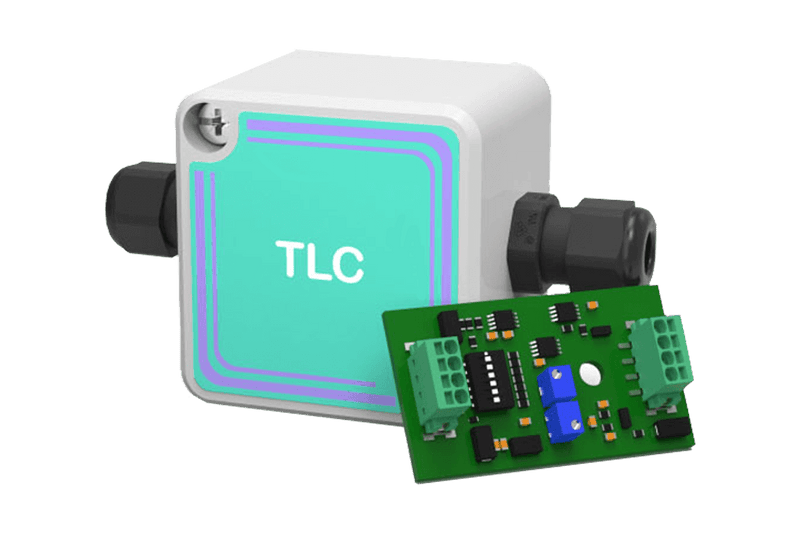
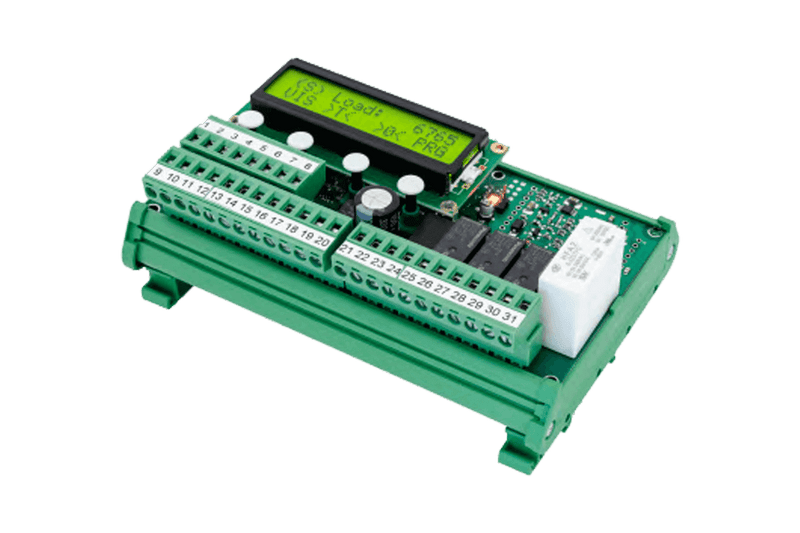
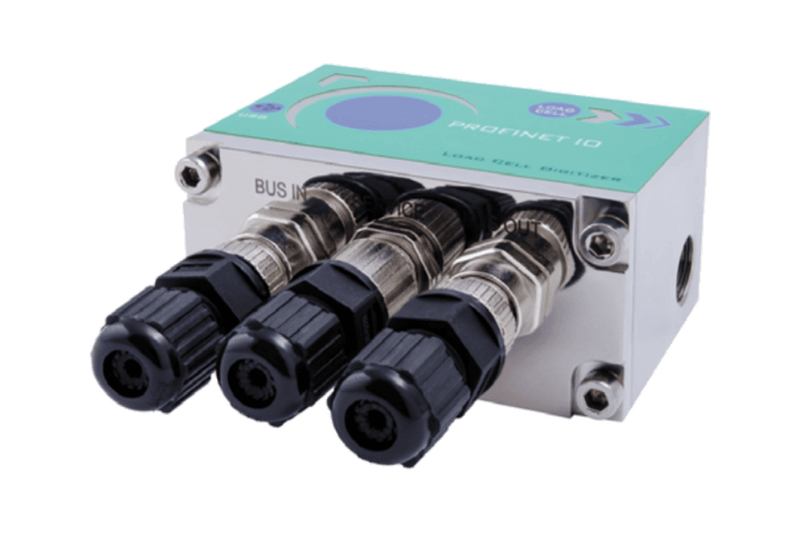
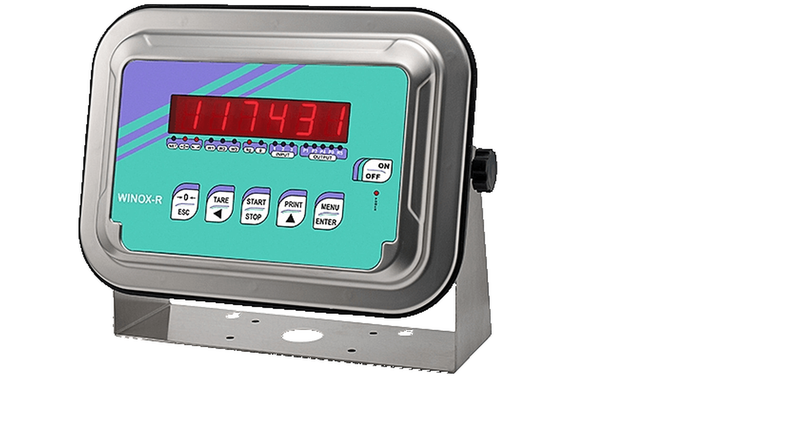
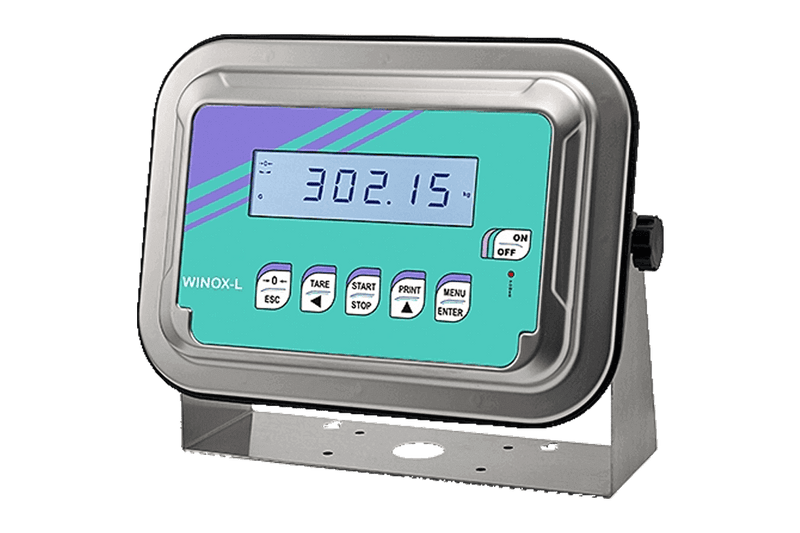
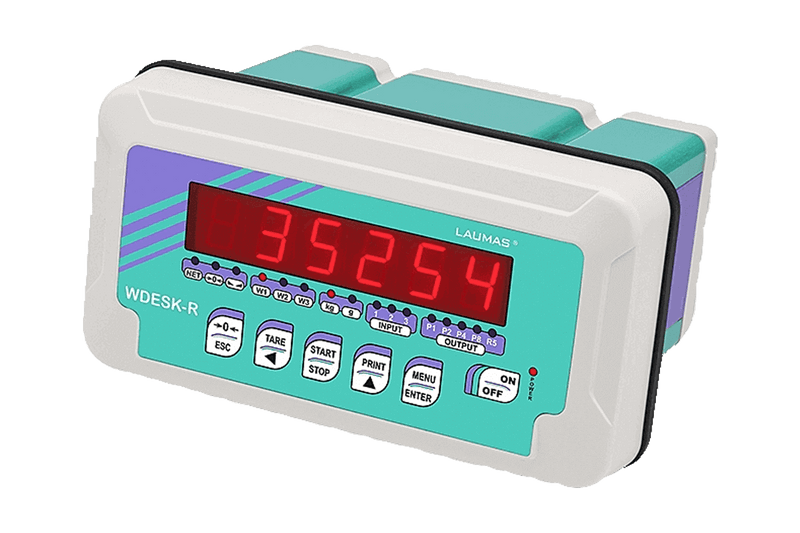
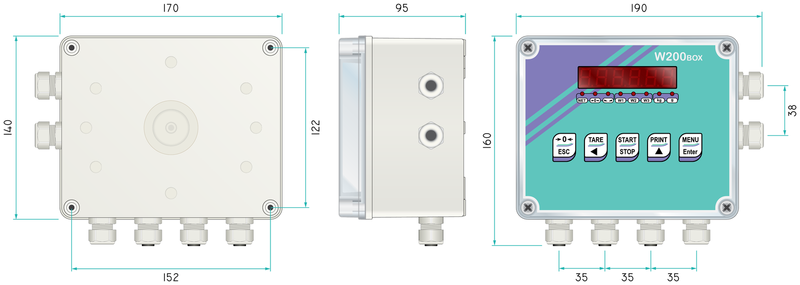
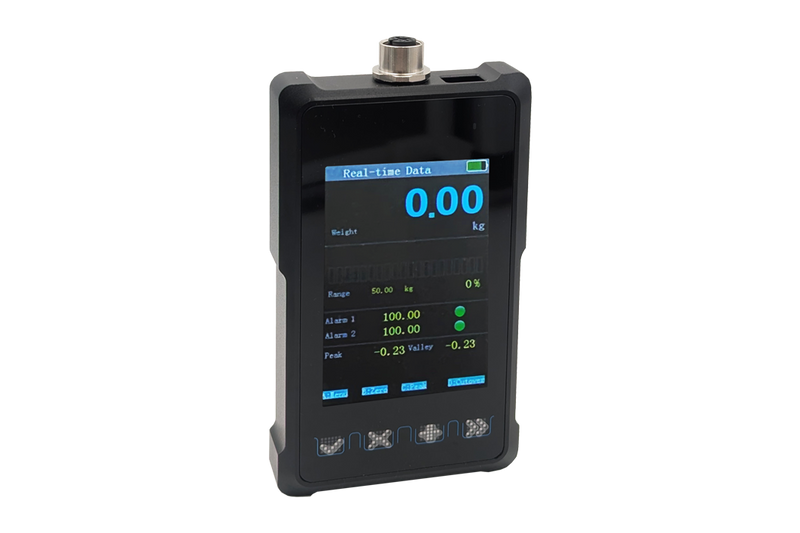
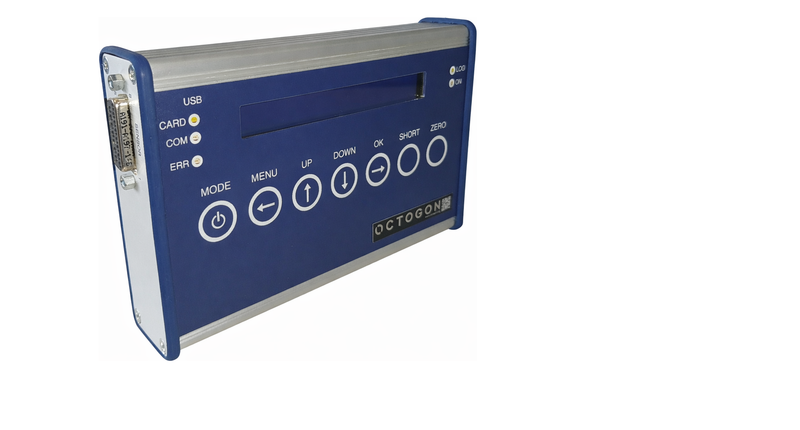
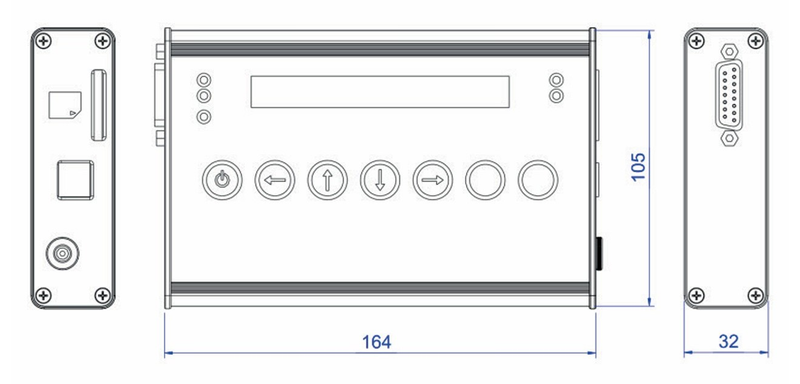
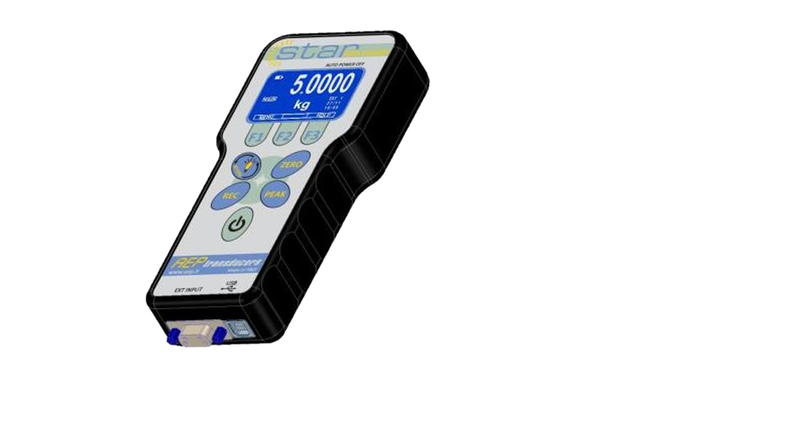
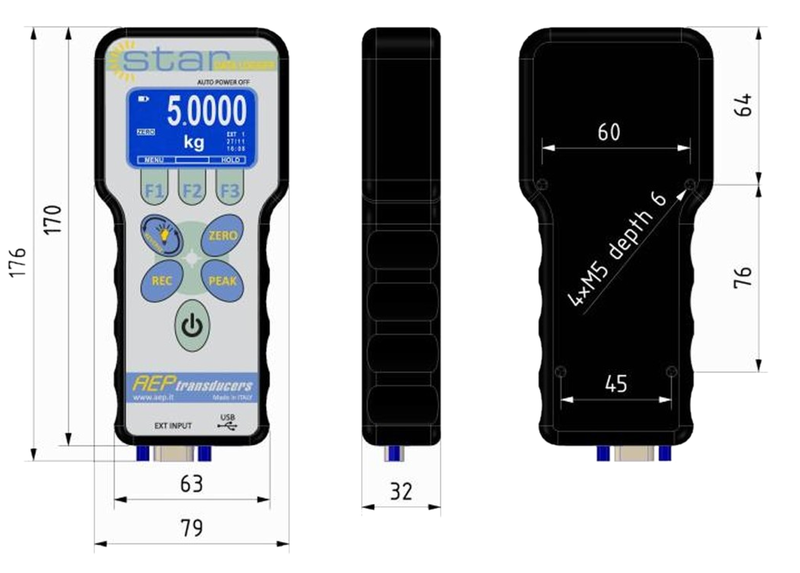
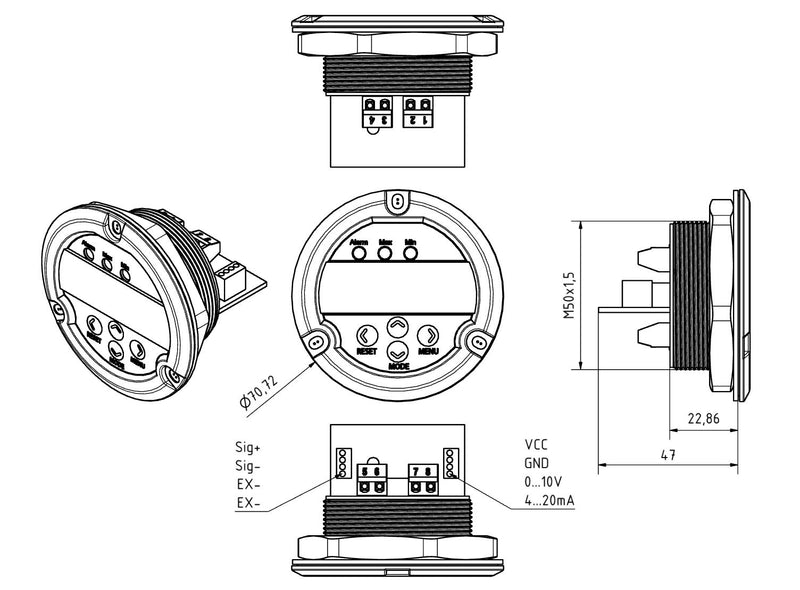
A weighing transmitter amplifies the load cell signal and passes it on – as an analogue 4…20 mA or 0…10 V signal or digitally over a fieldbus. It has no display and no keys and is installed where a control system processes the value further. A weighing indicator has a display and keys for zeroing, tare and limit values and is used where a person reads the value or operates the scale on site. Many indicators also have a signal output and can do both.
Can I connect several load cells to one piece of electronics?
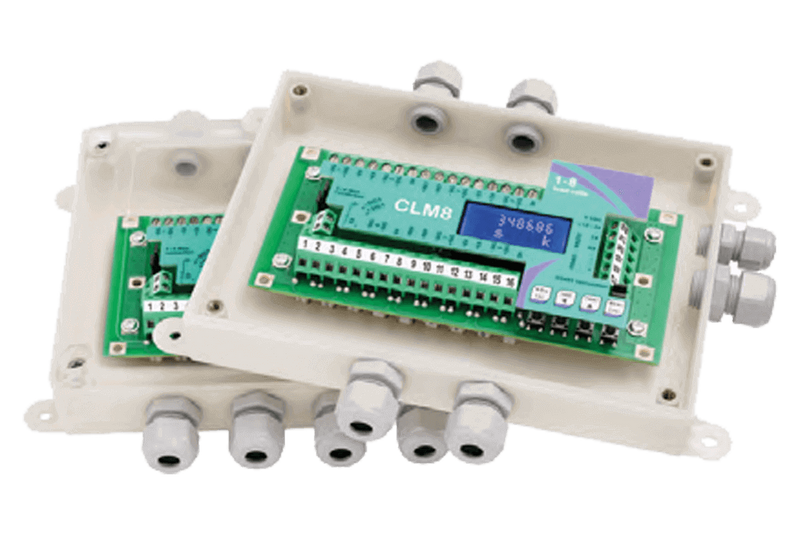
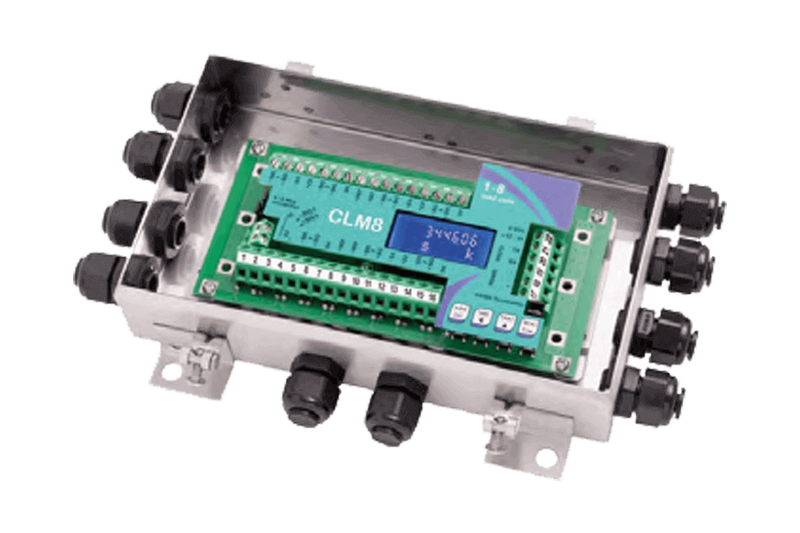
Yes, in two ways. Analogue cells are wired in parallel through a summing box: the electronics see the sum and therefore one measured value – the simplest and least expensive solution for a tank scale. Multi-channel electronics read each cell individually. That costs more but shows the load distribution, detects a faulty cell and allows corner trimming in software.
Analogue or fieldbus – which should I choose?
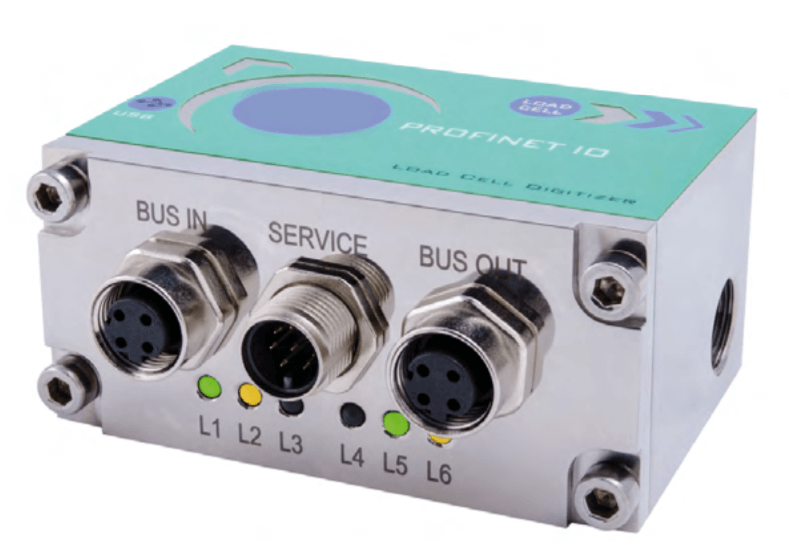
Analogue is enough as long as one measured value per channel is sufficient and the control system has a free analogue input: 4…20 mA is immune to interference and needs no software. A digital output pays off as soon as several values per device, diagnostics or remote configuration are needed, several devices are to share one cable, or the cable runs are long. IO-Link is the simplest digital option; PROFINET, EtherCAT and Modbus TCP tie the scale directly into an existing plant network.
Which electronics do I need for a safety function to SIL or PL?
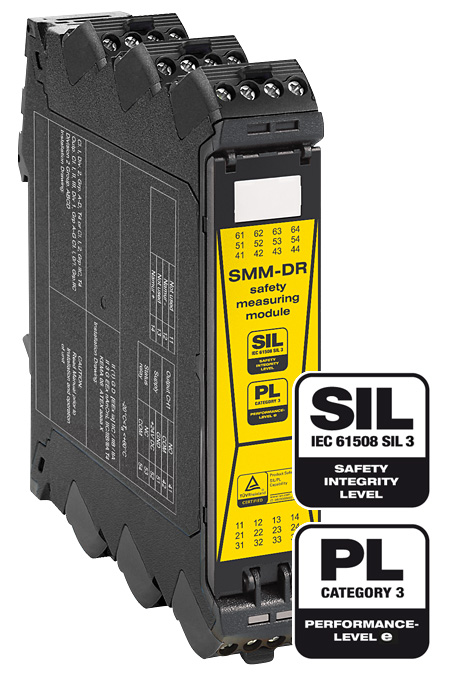
Weighing electronics may only be part of a safety function if they have been assessed for it – the manufacturer has to state figures such as SIL capability, PFHd or performance level. This is typical for load limiters on cranes and hoists, where a limit value has to switch off reliably. Devices carrying that assessment are marked separately in the shop and collected in a category of their own.