


Frequently asked questions
What is the difference between a load cell and a force transducer?
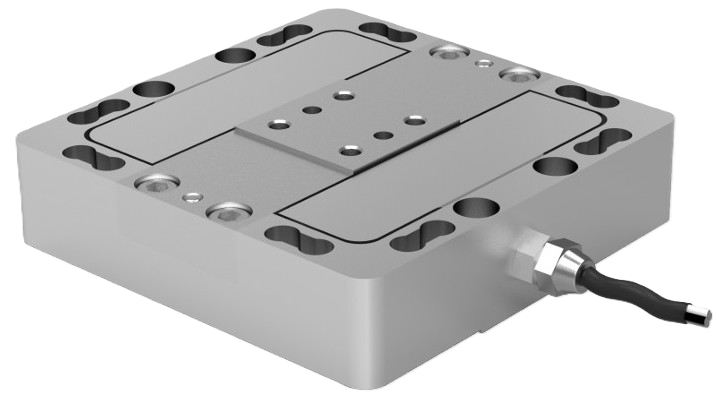
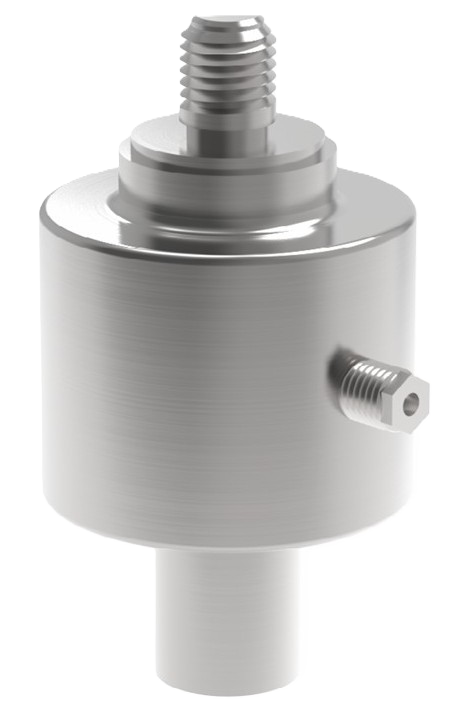
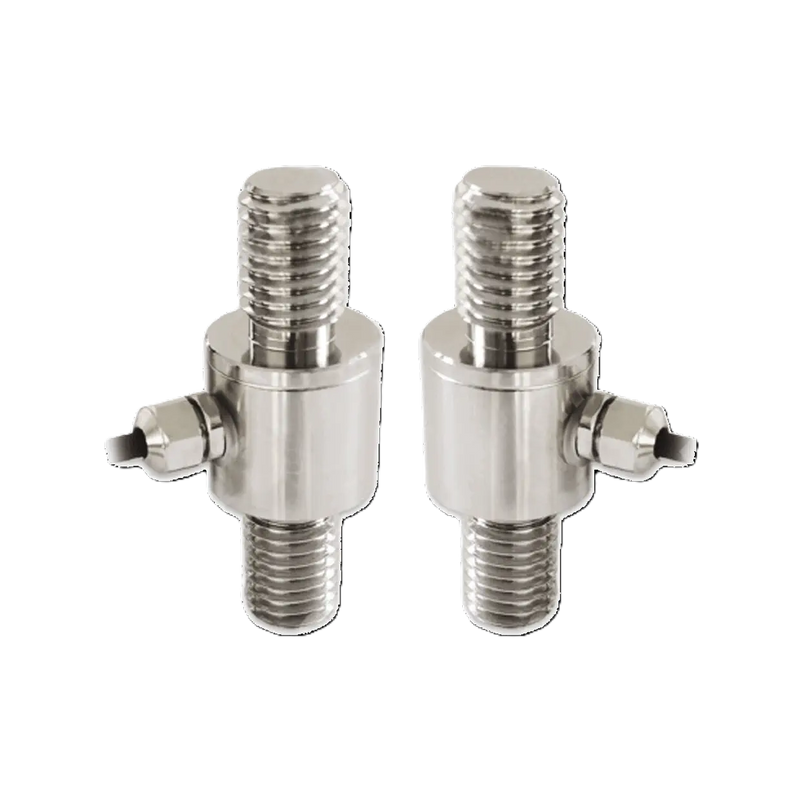
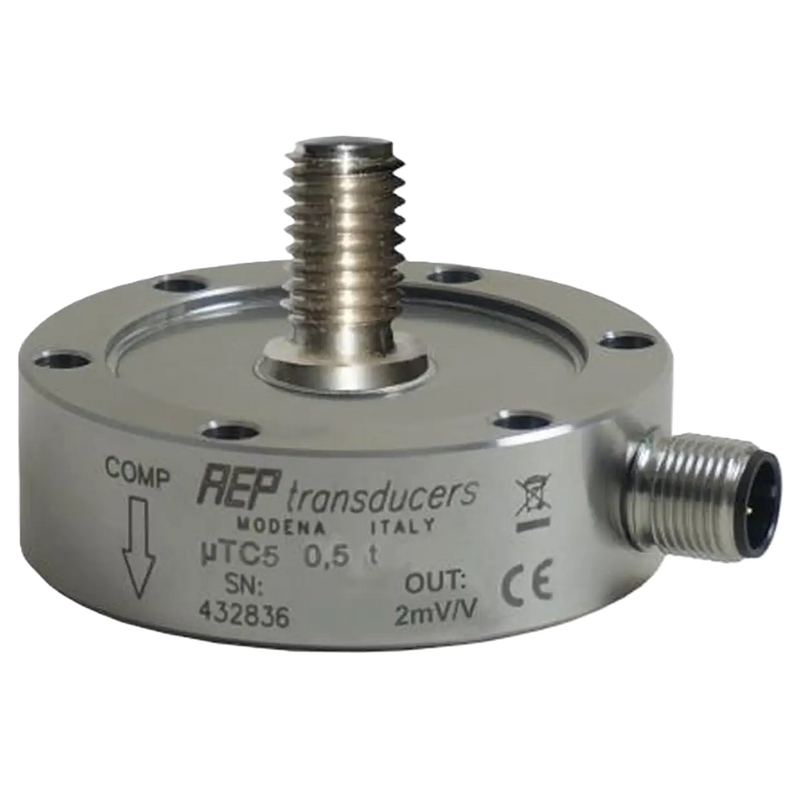
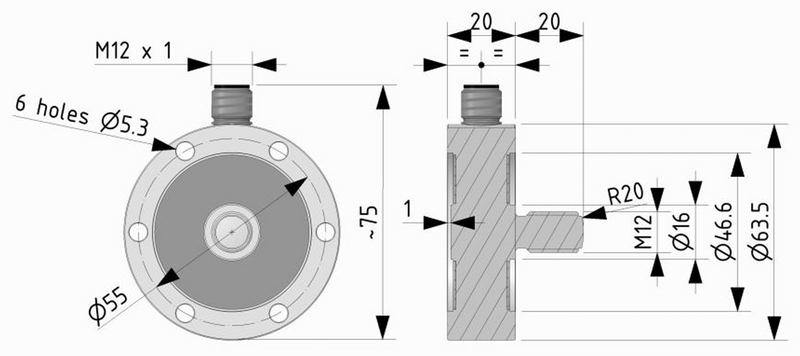
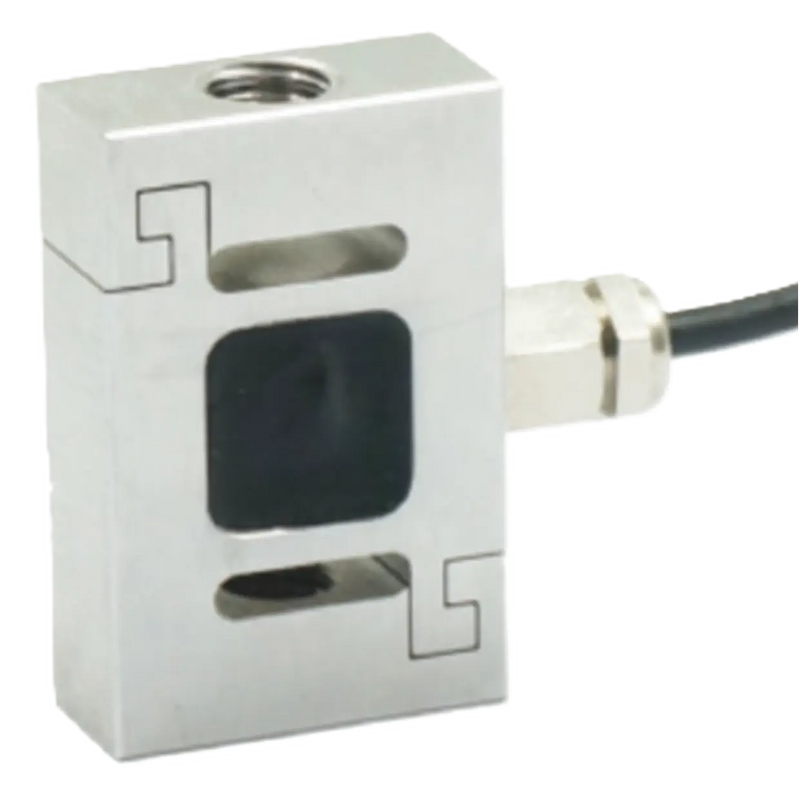
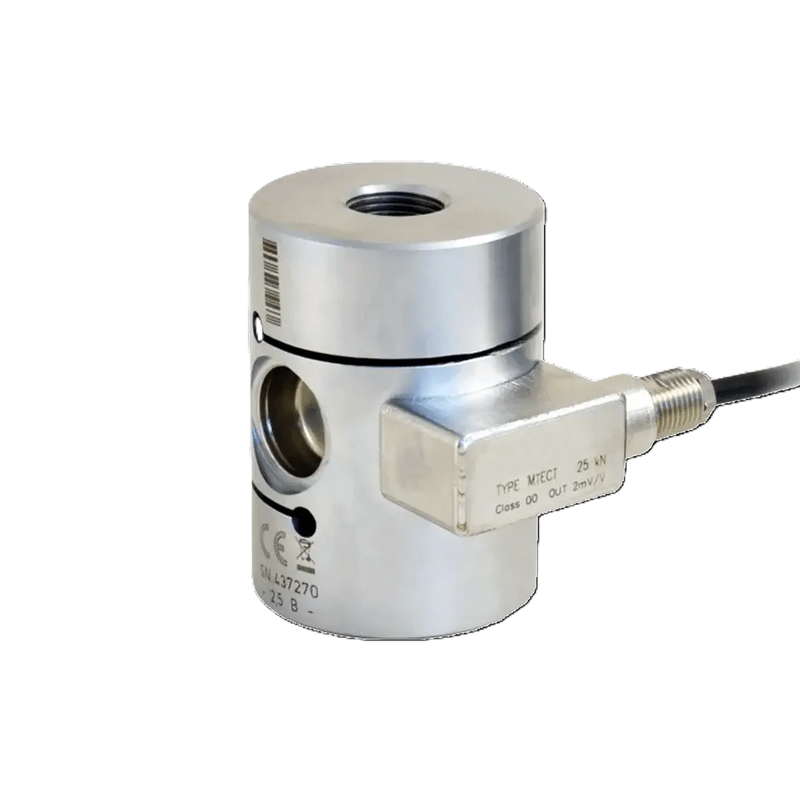
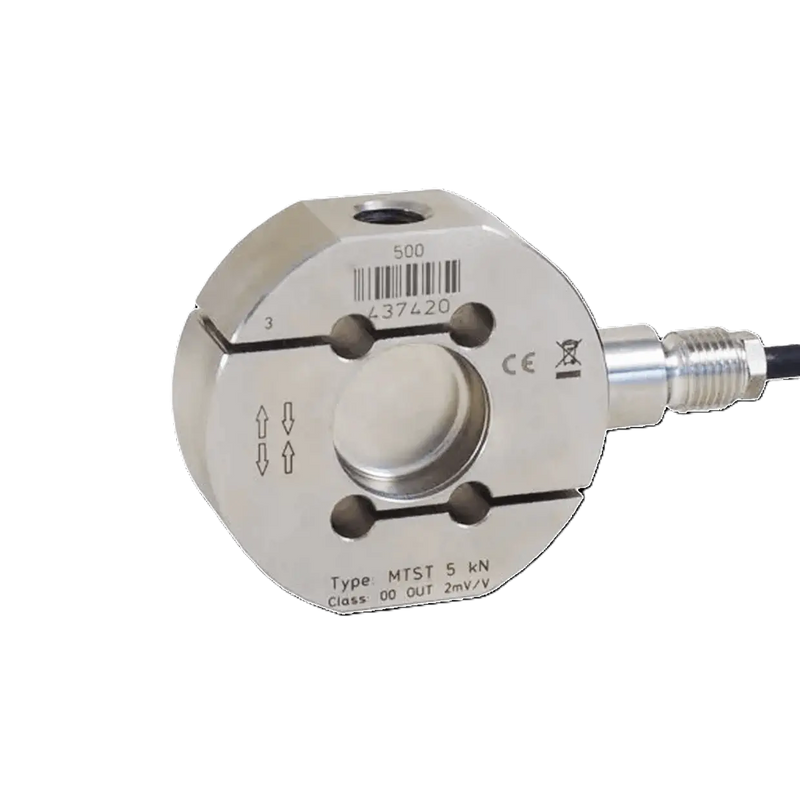
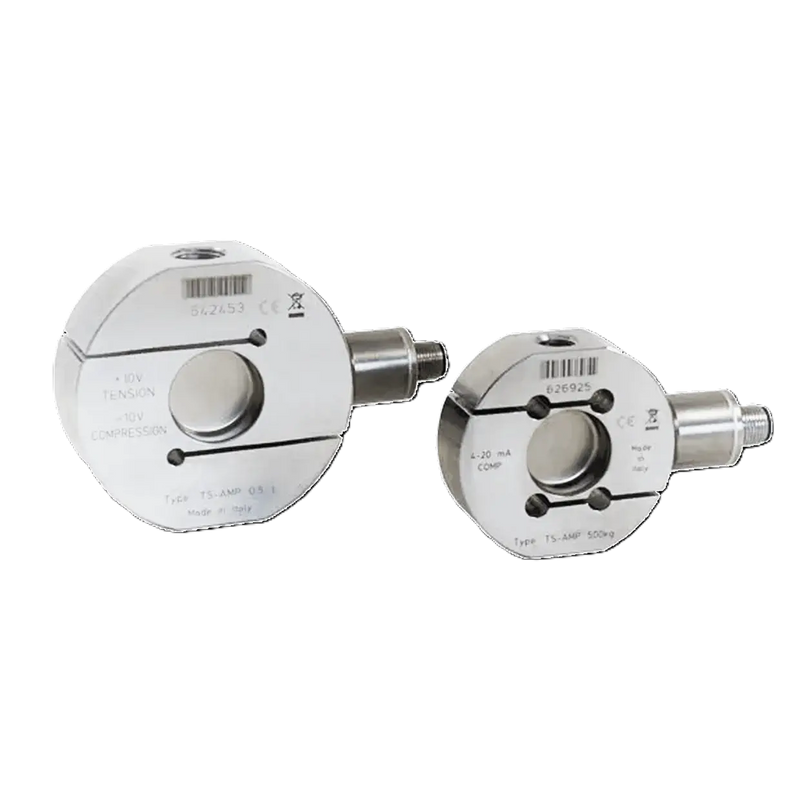
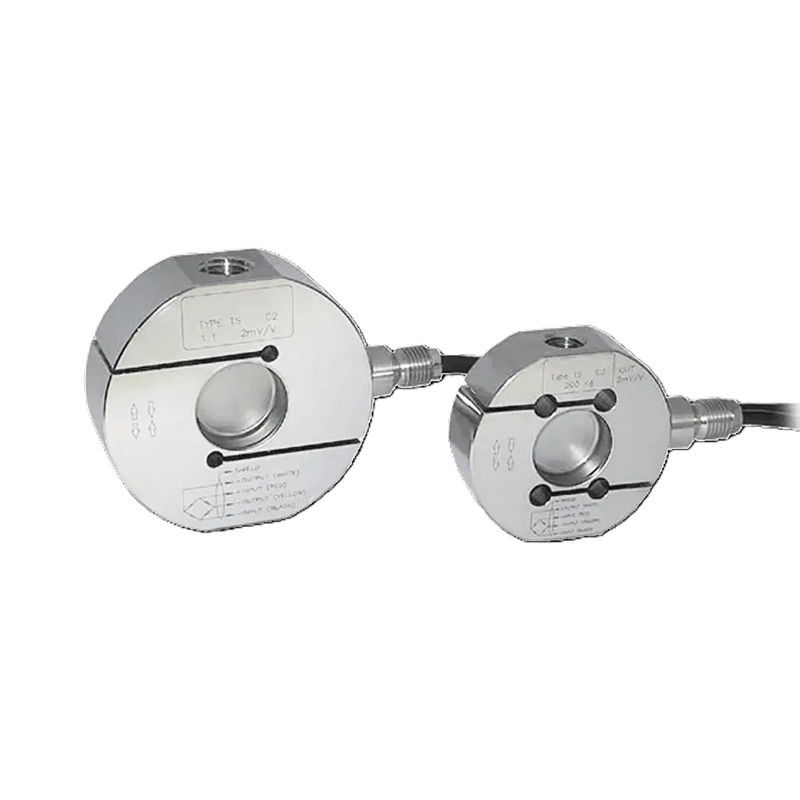
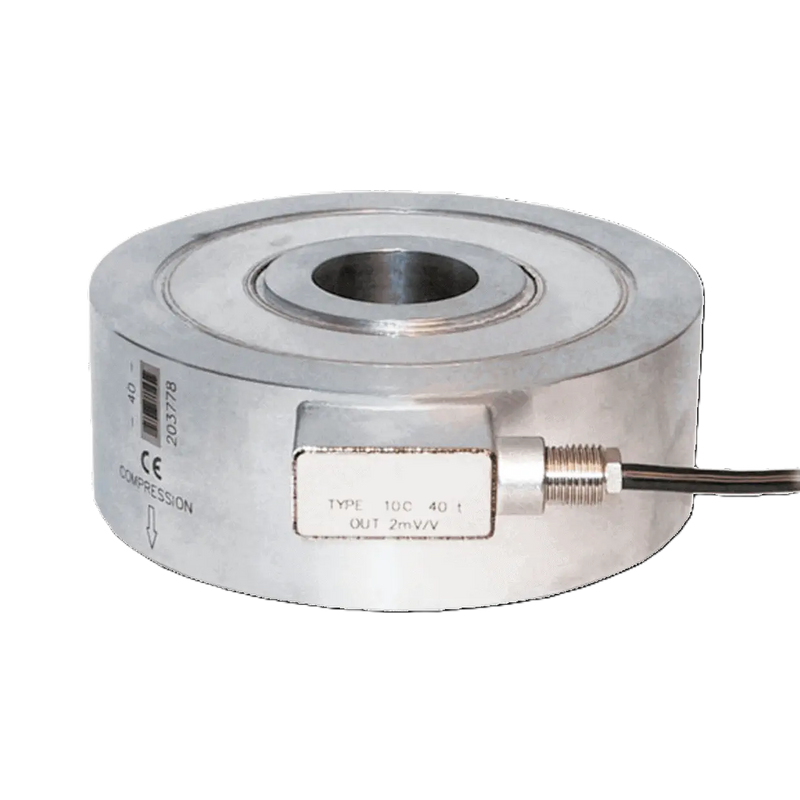
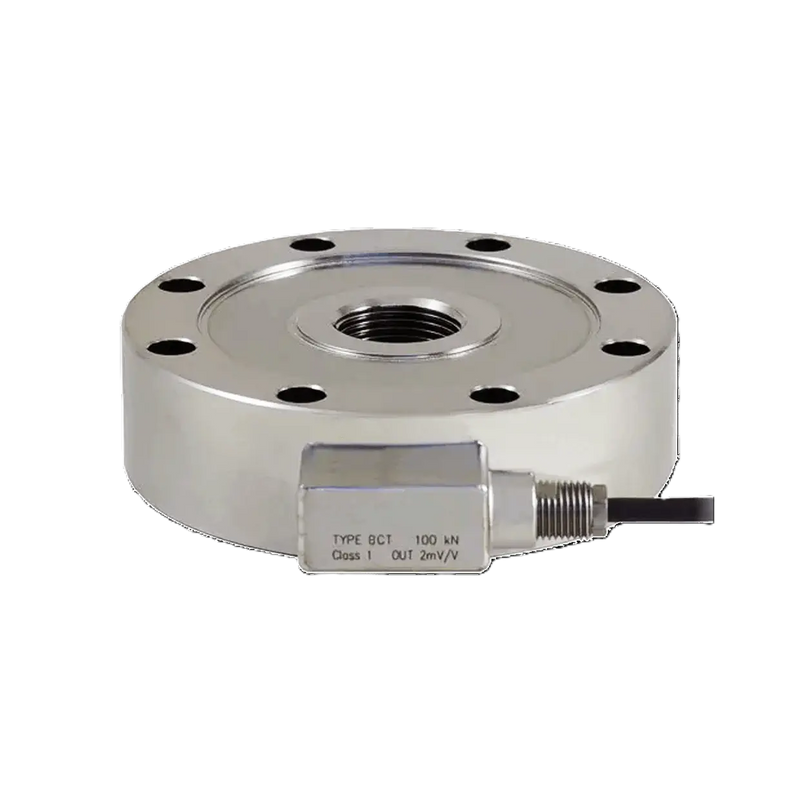
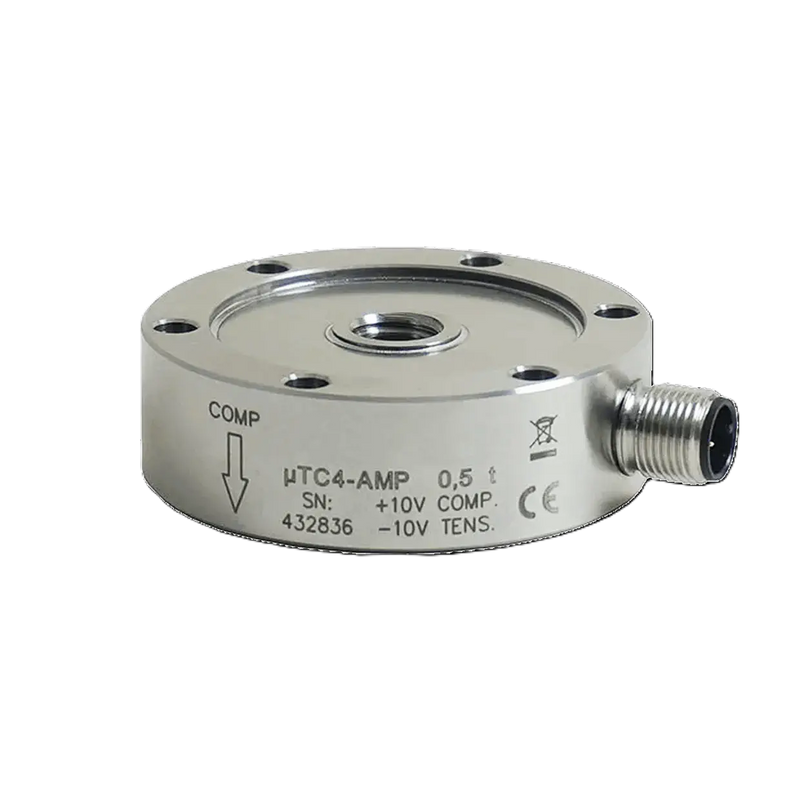
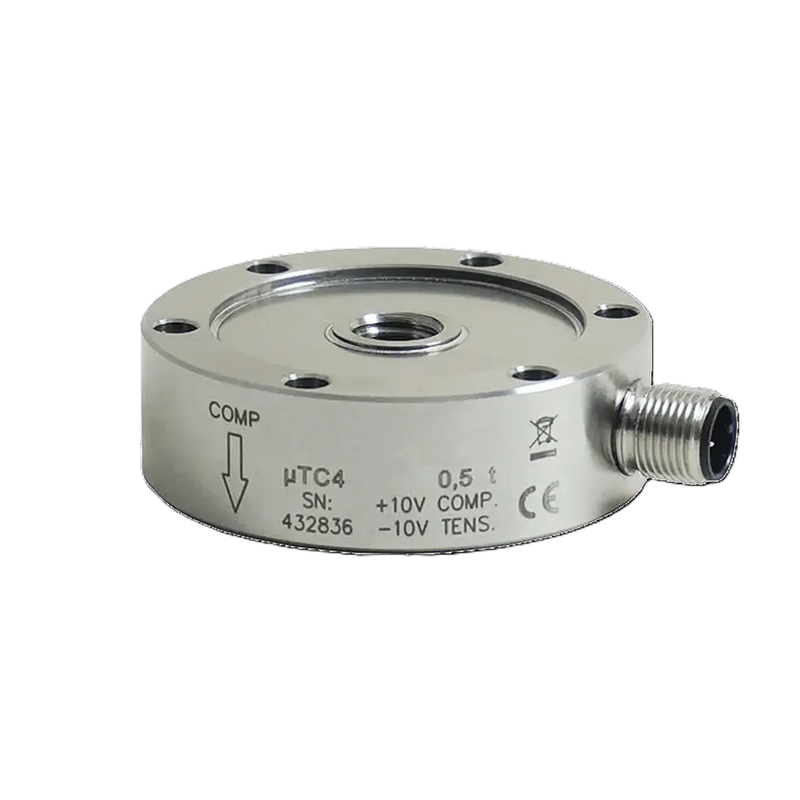
Technically it is the same component: a spring element with bonded strain gauges that deform under load and detune the bridge voltage. The difference lies in the labelling and the calibration. A load cell is calibrated in units of mass (kg, t) and intended for weighing; a force transducer is calibrated in units of force (N, kN) and intended for force measurement on test benches, presses or machines. If you want to measure a force, take a force transducer – otherwise gravitational acceleration travels along as a conversion error.
How many load cells do I need for a tank or silo?
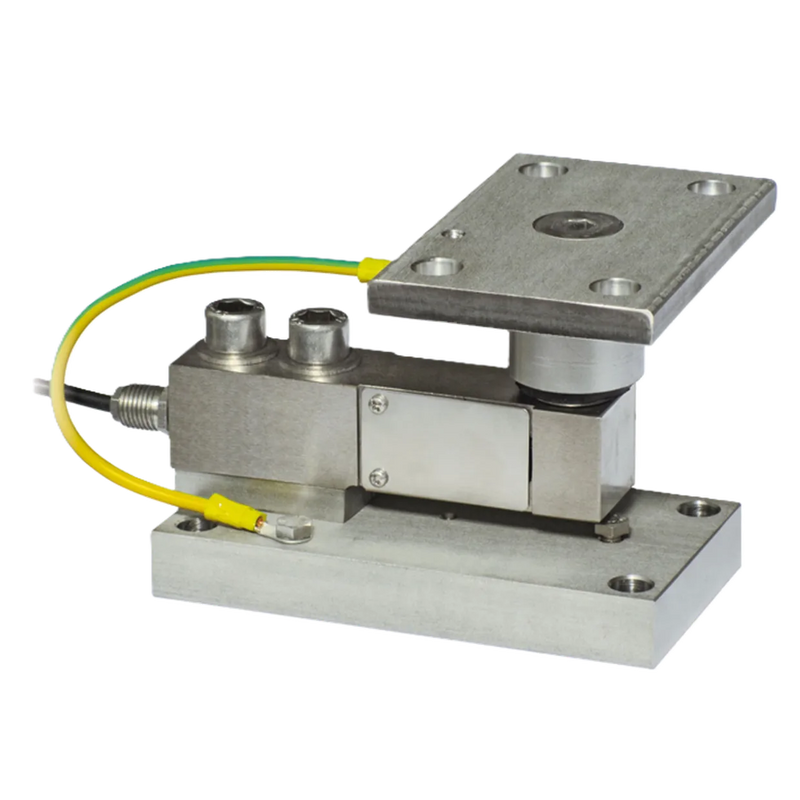
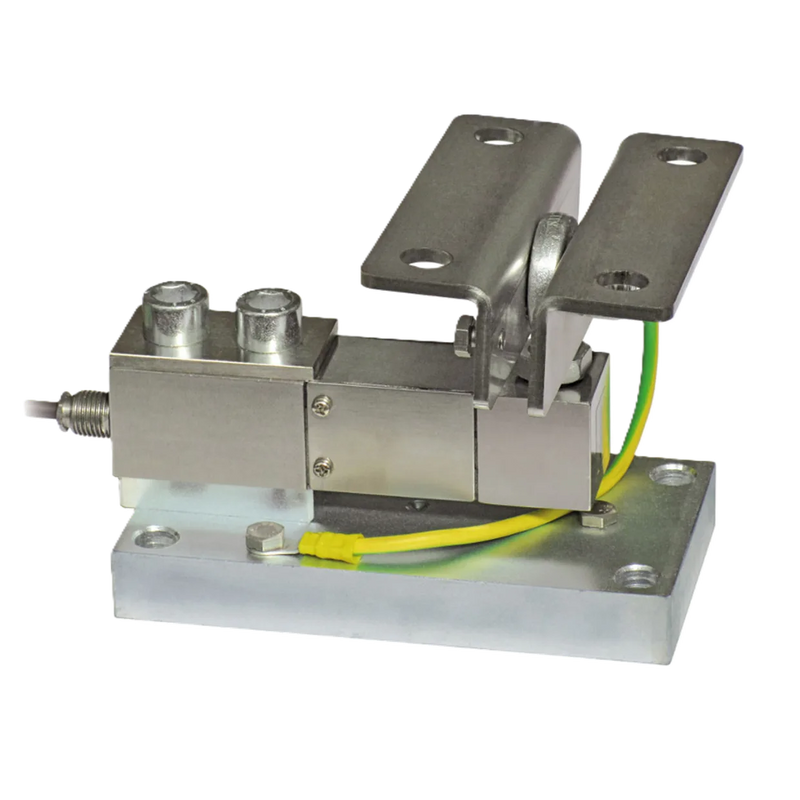
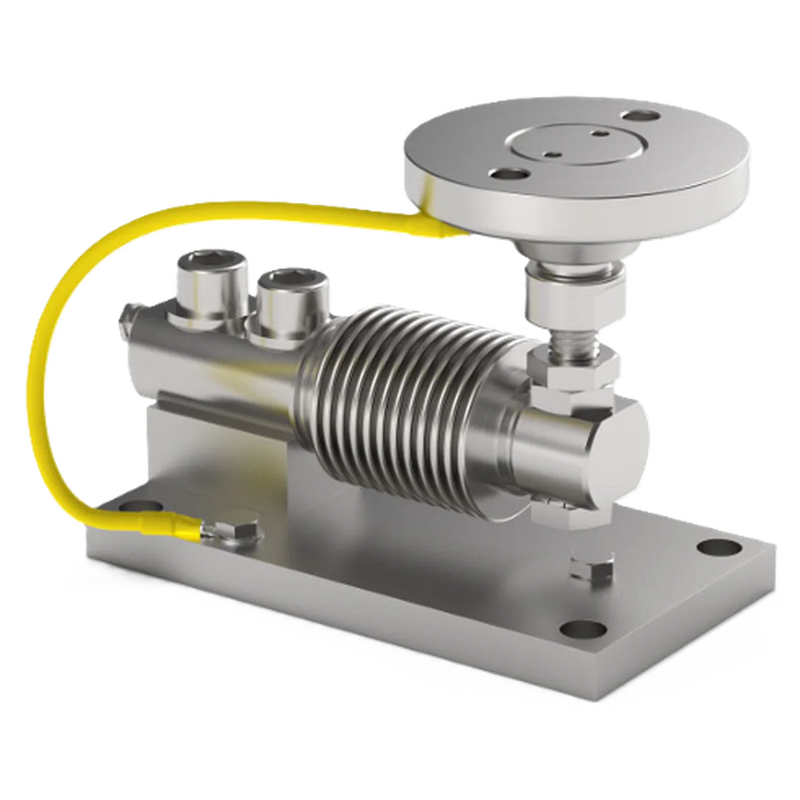
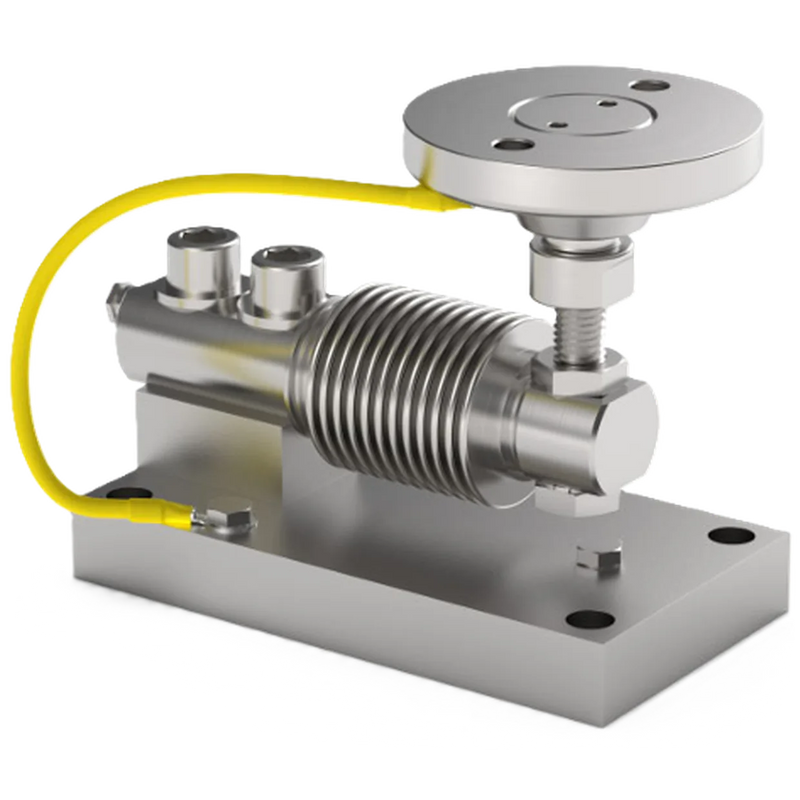
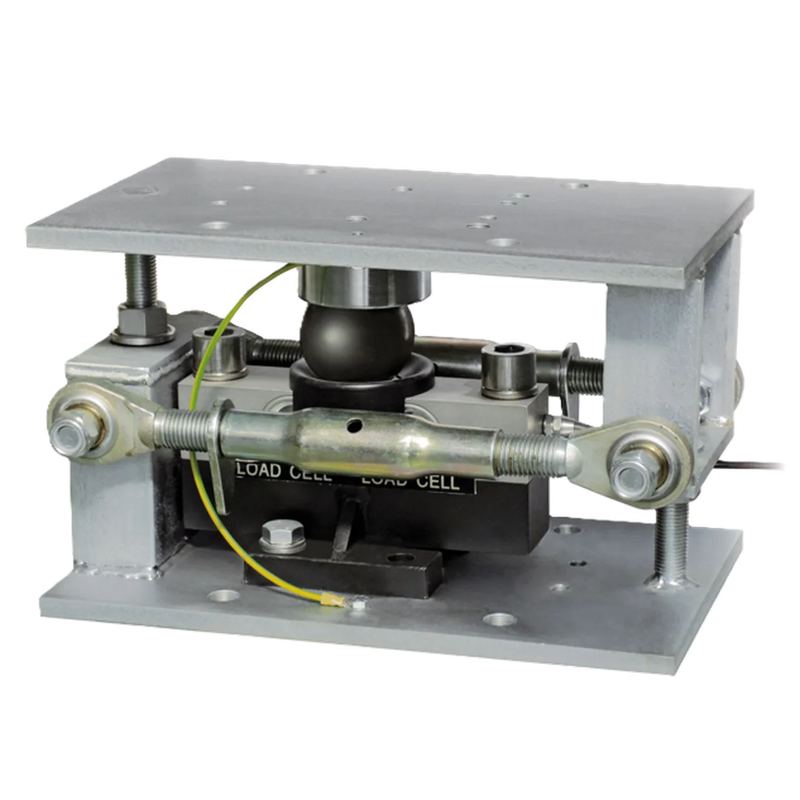
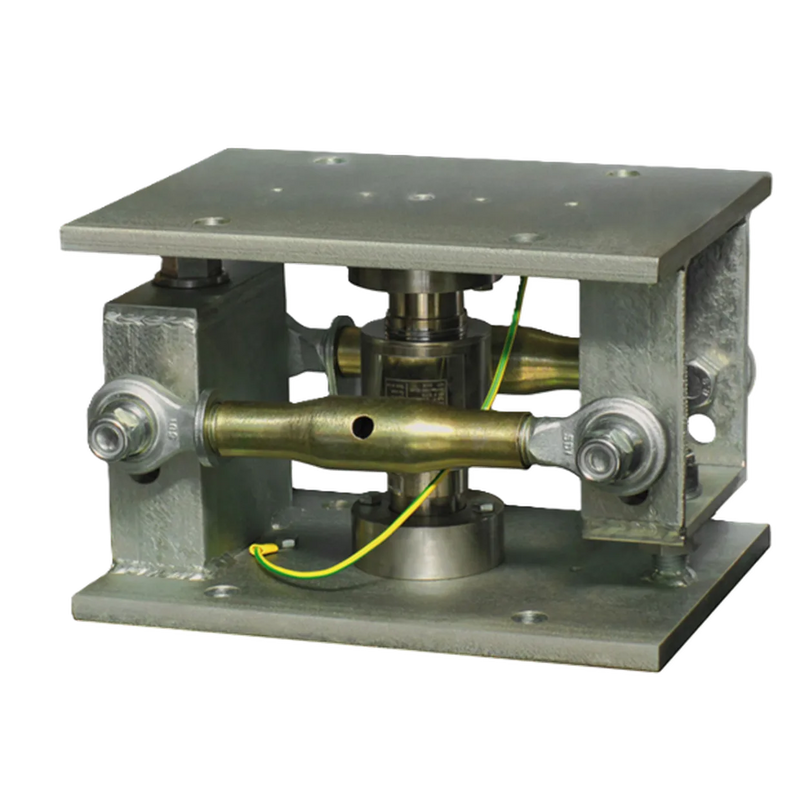
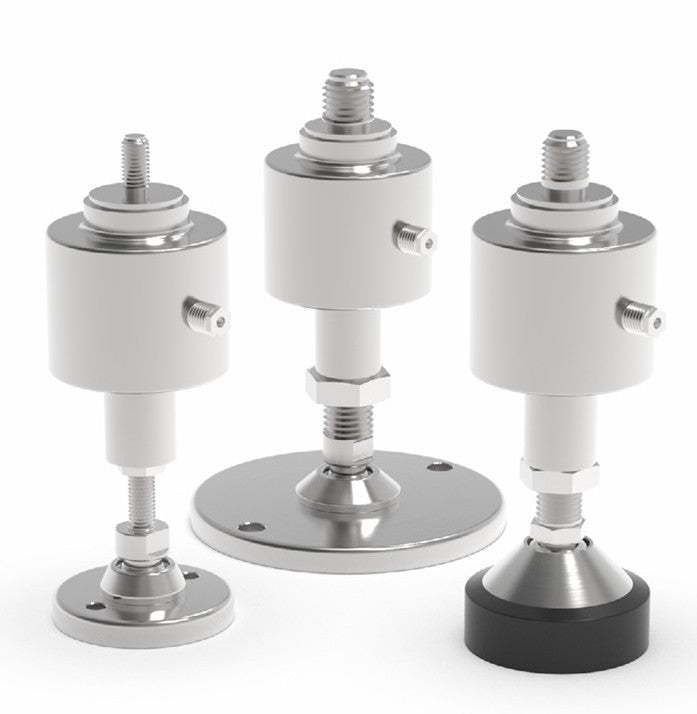
Round tanks usually stand on three load cells, rectangular ones on four. Three support points are statically determinate and need no compensation; four distribute the load better on a large footprint but require an even bearing surface. The capacity per cell follows from the empty weight plus the maximum fill weight divided by the number of supports, plus a reserve for agitators, attachments and off-centre filling. Ready-made weighing modules are available for the installation and take care of pendulum movement and uplift protection.
Which rated capacity should I choose?
The rated capacity should be above the largest expected load, but not arbitrarily far above it: an oversized cell uses only part of its measuring range, and the absolute deviation grows with it. As a rule of thumb, plan the maximum load at 70 to 80 percent of the rated capacity and add dead weights, dynamic shocks and off-centre loading. The safe load limit in the data sheet matters as well – up to that point the cell tolerates overload without lasting damage.
Does octogon also build force transducers to drawing?
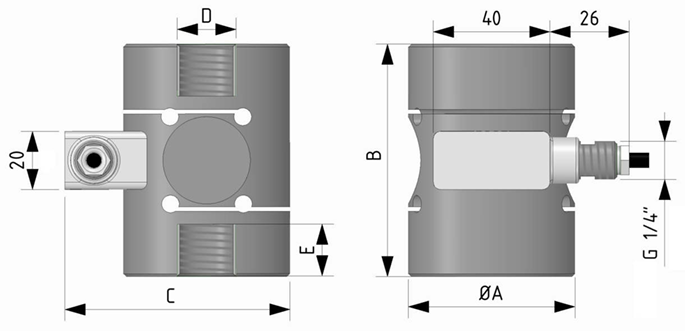
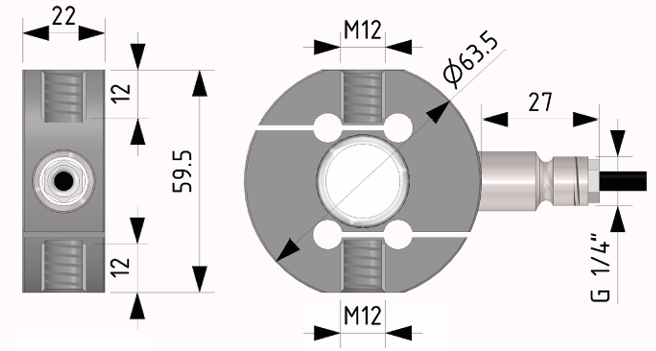
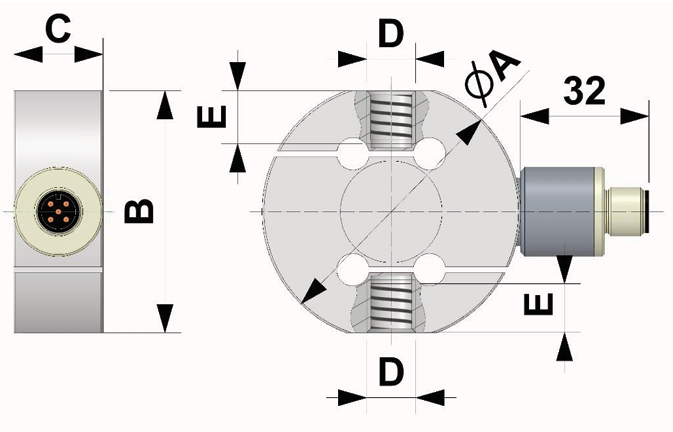
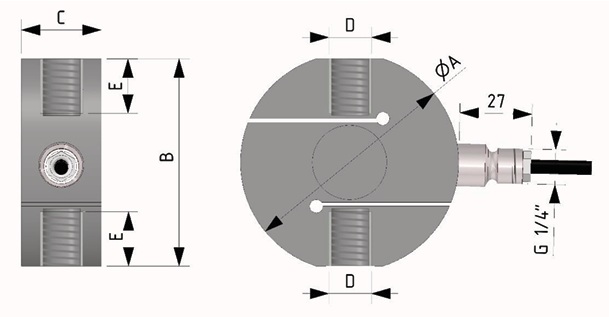
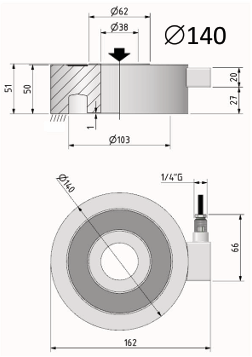
Yes. When no standard design fits the available space, octogon manufactures custom force transducers and load cells – from the design of the spring element and the CNC machining through to the application of the strain gauges and the calibration. The reverse is possible too: if there is no room for a sensor at all, strain gauges are applied directly to an existing machine part, and that part becomes the measuring element.